Garden Cabins UK | A Timber Cabin for Work and Leisure
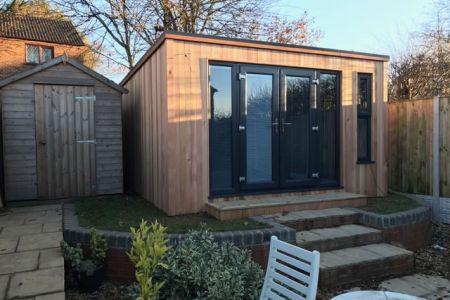
Garden cabins have become one of the most popular ways for homeowners to enhance their outdoor space while adding practical, usable accommodation to their property.
Often described as garden cabins, timber cabins, or garden cabin garden rooms, these standalone structures provide a warm, inviting environment that bridges the gap between indoor comfort and outdoor living.
Once seen primarily as simple garden sheds or rustic retreats, modern garden cabins have evolved into highly functional, well-insulated spaces that can be used all year round. From home offices and guest accommodation to creative studios and peaceful escapes, garden cabins offer remarkable versatility while maintaining a strong connection to nature.
In this article, we explore what a garden cabin is, examine key design and construction considerations, discuss material choices, highlight the benefits of owning a garden cabin, look at popular locations and uses, explore the historical roots of cabins, and provide practical guidance on furnishing a garden cabin for maximum comfort and enjoyment.
What Is a Garden Cabin?
A garden cabin is a freestanding structure built within the garden or outdoor area of a residential property. Unlike traditional garden sheds, a modern garden cabin is designed for regular use and comfort, often featuring insulation, electricity, glazing, and high-quality internal finishes.
Garden cabins vary widely in size and design. Some are compact, single-room spaces ideal for hobbies or home working, while others are larger, multi-room buildings capable of functioning as guesthouses or extended living spaces. Despite their differences, all garden cabins share a common purpose: to provide a dedicated space away from the main home while remaining conveniently close.
Because of their flexibility, garden cabins are often described as garden rooms, garden houses, or timber lodges. Regardless of terminology, they represent a practical and attractive way to make better use of outdoor space.
Design and Construction Considerations
Designing a garden cabin requires careful thought to ensure the structure is both functional and comfortable. The intended use of the cabin should guide all design decisions, from size and layout to insulation and glazing.
Purpose and Layout
The first consideration is how the garden cabin will be used. A home office may require desk space, storage, and reliable power, while a guest cabin will need sleeping space and potentially a bathroom. Creative studios benefit from open layouts and natural light, while relaxation spaces prioritise comfort and views.
The layout should make efficient use of available space while maintaining a sense of openness and flow.
Windows, Doors, and Natural Light
Natural light plays a crucial role in how a garden cabin feels. Windows, glazed doors, and roof lights help brighten the interior and connect the space visually with the garden.
Positioning windows carefully can maximise light while maintaining privacy. Large glazed areas are particularly effective when the cabin overlooks greenery or landscaped areas.
Insulation and Year-Round Use
For a garden cabin to be used throughout the year, proper insulation is essential. Walls, floors, and roofs should be insulated to regulate temperature and prevent heat loss.
Combined with efficient heating and ventilation, good insulation ensures the cabin remains comfortable in winter and cool during warmer months.
Roof Design and Weather Protection
The roof must be designed to withstand the UK climate, providing protection from rain, wind, and snow. Flat roofs, apex roofs, and sloping designs are all common, with each offering different aesthetic and practical benefits.
High-quality roofing materials and correct drainage are essential for longevity.
Foundations and Stability
A solid foundation ensures the cabin remains level and stable over time. Depending on ground conditions, this may involve concrete bases, steel pile systems, or other engineered solutions.
Proper foundations prevent movement, moisture issues, and structural problems in the long term.
Materials Used in Garden Cabin Construction
The choice of materials significantly influences the appearance, performance, and lifespan of a garden cabin.
Timber
Timber is the most popular material for garden cabins due to its natural beauty and ability to blend seamlessly into outdoor environments. Wooden cabins create a warm, inviting aesthetic and complement garden landscapes.
Timber also offers excellent insulation properties and can be treated or engineered to improve durability and resistance to weathering.
Composite and Modern Materials
Some garden cabins incorporate composite cladding or modern construction materials for reduced maintenance and contemporary styling. These materials can offer increased resistance to moisture, rot, and fading.
Glass and Metal Accents
Modern garden cabins often use large glass panels and metal detailing to create a clean, contemporary look. Glazing enhances natural light and strengthens the connection between indoor and outdoor spaces.
Benefits of Owning a Garden Cabin
Garden cabins offer a wide range of lifestyle and practical benefits.
Connection to Nature
One of the greatest advantages of a garden cabin is the close connection to nature it provides. Being surrounded by greenery and natural light promotes relaxation, creativity, and wellbeing.
Versatility and Flexibility
A garden cabin can adapt to changing needs over time. It may begin as a workspace, later become guest accommodation, and eventually serve as a personal retreat or hobby room.
This adaptability makes garden cabins a long-term investment rather than a single-purpose structure.
Increased Property Value
A well-designed garden cabin can add value to a property by increasing usable living space and enhancing its appeal to buyers.
Privacy and Separation
Garden cabins provide separation from the main house, creating a sense of privacy without isolation. This makes them ideal for working, hosting guests, or pursuing personal interests.
Popular Locations for Garden Cabins
Garden cabins are most commonly located in rear gardens, where privacy and space are maximised. However, their placement should consider access, sunlight, and views.
Many homeowners position cabins at the end of the garden to create a sense of retreat, while others integrate them closer to the house for convenience.
Landscaping, pathways, and decking can further enhance the cabin’s setting and usability.
Common Uses for Garden Cabins
Home Office
With remote working now commonplace, garden cabins provide a quiet, dedicated workspace separate from household distractions.
Guest Accommodation
Garden cabins make excellent guest spaces, offering comfort and privacy for visiting friends or family.
Creative Studios
Artists, writers, musicians, and makers benefit from the focused environment a garden cabin provides.
Hobby and Leisure Rooms
From gyms and yoga studios to gaming rooms and reading retreats, garden cabins can be tailored to personal interests.
Historical Roots of Cabins
The concept of cabins dates back centuries. Historically, cabins were simple shelters built from natural materials to provide protection and warmth.
Over time, cabins evolved into rural homes, hunting lodges, and retreats. The modern garden cabin draws inspiration from these origins while incorporating contemporary comfort and design.
Furnishing a Garden Cabin for Maximum Enjoyment
Thoughtful furnishing transforms a garden cabin into a comfortable and functional space.
Seating and Comfort
Choose furniture that suits the scale of the cabin and its intended use. Comfortable seating encourages relaxation and longer use.
Workspaces and Storage
Functional desks, shelving, and storage solutions help keep the cabin organised and efficient.
Sleeping Areas
If the cabin is used for guests or retreats, invest in quality bedding and soft furnishings.
Lighting
Layered lighting, including task, ambient, and accent lighting, enhances usability and atmosphere.
Decor and Personal Touches
Artwork, rugs, plants, and textiles add warmth and character.
Indoor-Outdoor Integration
Decking, patios, or outdoor seating areas extend the usable space and strengthen the connection to the garden.
Conclusion
Garden cabins have evolved into highly versatile, attractive, and valuable additions to modern homes. By combining thoughtful design, quality materials, and careful placement, a garden cabin can serve as a peaceful retreat, productive workspace, or welcoming guest area.
Whether used for work, leisure, or relaxation, a well-designed garden cabins enhances daily life while making the most of outdoor space.
As lifestyles continue to change and the demand for flexible living solutions grows, garden cabins remain one of the most effective and enjoyable ways to extend your home into the garden.