Art Gallery Garden Room Ideas | Garden Rooms for Artists
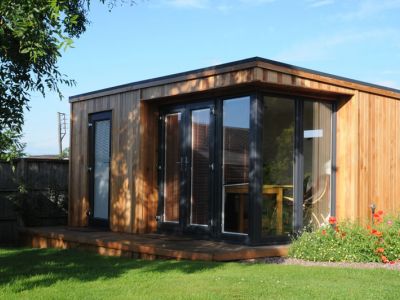
Using a garden room as a dedicated art gallery is an increasingly popular way to combine creative passion with functional outdoor living.
As more homeowners look for meaningful ways to use their garden space, the idea of creating a private or semi public gallery environment has become highly appealing.
A well designed art gallery garden room provides a calm and inspiring setting where artwork can be displayed, appreciated, and experienced without the limitations of traditional indoor rooms.
An art gallery garden room offers far more than simple wall space. It creates a purposeful environment that enhances the presentation of artwork while offering privacy, flexibility, and control. Whether used to showcase a personal collection, promote professional work, or host curated exhibitions, a garden based gallery allows art to exist in a space that feels intentional and immersive. The separation from the main house also gives visitors a sense of arrival and occasion, which elevates the overall viewing experience.
For artists, collectors, and creative professionals, a garden room art gallery represents a long term investment in both lifestyle and creative output. It supports focused appreciation of visual work while also opening opportunities for sales, events, and collaborations. As demand for flexible garden buildings continues to grow, art gallery garden rooms have become a highly desirable solution for those seeking a refined and functional creative space.
Why an Art Gallery Garden Room Works So Well
An art gallery garden room works exceptionally well because it allows complete control over the environment. Unlike rooms inside a home, which often serve multiple purposes, a garden gallery can be designed entirely around the needs of artwork. Wall layouts, lighting positions, ceiling height, and circulation space can all be planned specifically to enhance visual impact and flow.
The physical separation from the house also creates a quieter and more contemplative atmosphere. Visitors entering a garden room gallery naturally shift their focus, leaving behind everyday distractions. This sense of calm encourages deeper engagement with the artwork and allows each piece to be viewed with greater attention and respect.
From a practical perspective, garden rooms offer excellent flexibility. They can be accessed independently, making them suitable for private viewings, small group exhibitions, or appointment based visits. This makes them ideal for artists who wish to welcome buyers or clients without opening their main home. The result is a professional yet personal gallery setting that feels both exclusive and welcoming.
The Growing Popularity of Art in Home Based Spaces
Art has always played an important role in human culture, offering expression, reflection, and connection. In recent years, there has been a growing movement towards experiencing art in more intimate and personal settings. Home based galleries and studios allow people to engage with artwork on their own terms, away from crowded public venues.
The rise of garden rooms has aligned perfectly with this shift. As people seek meaningful ways to invest in their homes and wellbeing, creative uses for outdoor buildings have gained momentum. An art gallery garden room combines aesthetic value with emotional and cultural significance, making it a compelling addition to modern garden design.
Displaying art within a dedicated gallery environment also enhances its perceived value. Artwork benefits from proper spacing, thoughtful lighting, and uncluttered surroundings. When pieces are presented professionally, viewers are more likely to appreciate the skill, intention, and narrative behind each work. This is particularly important for artists who wish to sell or commission work directly.
Designing the Ideal Art Gallery Garden Room
Design plays a crucial role in the success of an art gallery garden room. The structure should feel clean, neutral, and timeless, allowing the artwork to remain the focal point. Internal layouts are typically open plan, providing uninterrupted wall space and clear sight lines throughout the room.
Wall finishes are best kept simple and light in tone. Smooth plastered walls or high quality timber linings provide an excellent backdrop for artwork without competing for attention. Flooring should be durable and understated, offering comfort underfoot while maintaining a gallery style aesthetic.
Ceiling height is another important consideration. A slightly higher ceiling can create a more spacious feel and allow larger artworks to be displayed comfortably. It also supports better lighting placement, which is essential for presenting art accurately and attractively.
Lighting for an Art Gallery Garden Room
Lighting is one of the most important elements in any art gallery garden room. The right lighting enhances colour, texture, and depth, while poor lighting can diminish the impact of even the most striking artwork. A combination of natural and artificial lighting usually produces the best results.
Large glazed doors or windows can introduce natural daylight, creating a bright and inviting space. However, natural light should be carefully controlled to avoid glare and protect artwork from prolonged exposure. Window placement and glazing type play a key role in balancing light levels throughout the day.
Artificial lighting allows precise control and consistency. Track lighting or adjustable spotlights are commonly used in gallery spaces, as they can be directed toward individual pieces. This flexibility makes it easy to reconfigure displays and highlight different works over time. Warm neutral lighting tones are often preferred, as they present colours accurately without overpowering the space.
Displaying Artwork Professionally
A professional hanging and display system is essential for an art gallery garden room. Secure wall fixings and adjustable hanging solutions allow artwork to be positioned at optimal viewing heights. This not only improves presentation but also protects valuable pieces from damage.
For three dimensional works, such as sculptures or ceramics, plinths and display stands should be sturdy and visually unobtrusive. The aim is to support the artwork without drawing attention away from it. Consistency in display methods helps create a cohesive and curated feel throughout the gallery.
Clear labelling also adds to the professional presentation. Simple labels that include the artist name, title, medium, and size provide context without overwhelming the viewer. For artists selling work, discreet pricing information can be included to encourage enquiries and conversations.
Environmental Control and Artwork Protection
Protecting artwork requires careful attention to environmental conditions. An art gallery garden room should maintain a stable internal climate to prevent damage over time. Insulated walls, floors, and roofs help regulate temperature and reduce the risk of condensation.
Heating and ventilation systems can be used to maintain comfortable conditions year round. In some cases, additional humidity control may be beneficial, particularly for delicate materials. These measures help preserve artwork while also ensuring a pleasant experience for visitors.
Security is another important factor. Strong doors, secure glazing, and modern locking systems provide peace of mind. For higher value collections, alarm systems or discreet monitoring can be added to protect both the artwork and the space itself.
Using an Art Gallery Garden Room for Business
An art gallery garden room offers excellent opportunities for artists to generate income directly from their work. By hosting private viewings or open studio events, artists can engage with collectors in a relaxed and personal setting. This direct connection often leads to stronger relationships and more meaningful sales.
Workshops and classes are another valuable use of a garden gallery. The space can be adapted for small group sessions, allowing artists to share techniques and insights. These experiences not only provide additional income but also strengthen the artists profile within the creative community.
Collaborations with other creatives or local businesses can further expand reach and visibility. Joint exhibitions or themed events introduce new audiences and create opportunities for shared promotion. An art gallery garden room provides a flexible and professional venue for these activities.
Events and Private Viewings
Beyond exhibitions, an art gallery garden room can be used as a unique event space. Small receptions, launches, or cultural gatherings benefit from the intimate and curated atmosphere of a garden based gallery. The setting feels exclusive and thoughtfully designed, which enhances the overall experience for guests.
Artists may also choose to offer the space for hire on a limited basis. Carefully managed, this can provide an additional revenue stream while introducing new audiences to the artwork on display. Clear guidelines and scheduling help ensure the gallery retains its primary purpose and character.
A Creative Sanctuary for Artists
In addition to its public and commercial uses, an art gallery garden room serves as a personal creative sanctuary. Being surrounded by finished work can inspire new ideas and encourage reflection. Many artists find that having a dedicated space separate from daily life supports focus and creative flow.
The gallery can also double as a studio or planning space, allowing work to move seamlessly from creation to display. This continuity strengthens the connection between the artist and their work, fostering growth and experimentation over time.
Long Term Value of an Art Gallery Garden Room
An art gallery garden room adds lasting value to a property. Its high quality construction and versatile design make it attractive to future buyers, particularly those who appreciate creative and lifestyle focused features. Even beyond its initial use, the space can adapt to new purposes while retaining its refined character.
From a personal perspective, the value lies in daily enjoyment and creative fulfilment. Having a dedicated gallery space at home transforms how art is experienced and shared, making it an integral part of everyday life rather than something stored or occasionally viewed.
Conclusion
Using a garden room as an art gallery is a powerful way to combine creativity, functionality, and outdoor living. It provides a dedicated and professional environment for displaying artwork, engaging visitors, and supporting artistic growth. Whether used for personal enjoyment, professional exhibitions, or commercial opportunities, an art gallery garden room offers flexibility and long term value.
Artists and collectors alike can benefit from the control, privacy, and atmosphere that a garden based gallery provides. By investing in thoughtful design, lighting, and presentation, a garden room can become a true cultural space that enriches both personal life and creative practice.
An art gallery garden room represents more than an outdoor building. It is a statement of purpose, a place for expression, and a refined setting where art can be appreciated in its best possible form.