Sewing Room Garden Rooms | Dedicated Garden Studios for Sewing and Crafts
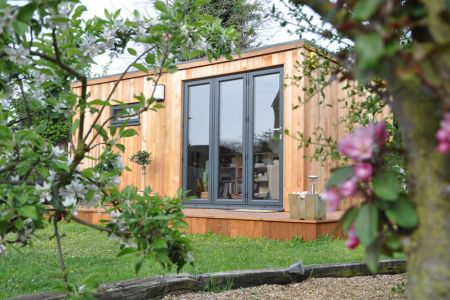
Sewing room garden rooms are purpose-built outdoor spaces designed to give sewing enthusiasts a dedicated, organised, and inspiring place to work.
Whether sewing is a hobby, a creative passion, or a professional activity, having a separate garden-based sewing room allows for greater focus, efficiency, and enjoyment.
As more people seek flexible ways to use their garden space, sewing room garden rooms have become an increasingly popular solution.
A sewing room is traditionally a dedicated area within the home used for sewing, quilting, embroidery, and other needlework activities. It typically includes sewing machines, cutting tables, ironing facilities, and organised storage for fabrics and tools. A garden room sewing studio delivers all of these essentials while offering the added benefits of space separation, natural light, and reduced household disruption.
Unlike temporary setups in dining rooms or spare bedrooms, a sewing room garden room provides a permanent creative environment where projects can remain set up and materials can be stored neatly and safely.
What Is a Sewing Room Garden Room
A sewing room garden room is a fully insulated, standalone structure installed within a garden and designed specifically for sewing and textile work. It functions as a private studio where tools, equipment, and materials can be organised efficiently.
These garden rooms are designed for year-round use, offering insulation, lighting, and electrical connections that support prolonged creative work. They can be customised to suit individual sewing styles, from quilting and dressmaking to embroidery and alterations.
The separation from the main home helps create a focused, clutter-free environment that supports productivity and creativity.
Why Choose a Garden Room for Sewing
Sewing often requires space, organisation, and time. Working in shared household areas can lead to frequent interruptions and the need to pack away projects before completion.
A garden room sewing studio eliminates these challenges by providing a dedicated space where work can continue uninterrupted. Machines can remain set up, fabrics laid out, and projects left mid-progress without disruption.
This convenience allows sewists to work more efficiently and enjoy their craft without compromise.
Benefits of a Dedicated Sewing Room Garden Room
One of the greatest benefits of a sewing room garden room is organisation. With ample storage options, fabrics, patterns, threads, and tools can be arranged logically and accessed easily.
Having a dedicated space also improves workflow. Cutting, stitching, pressing, and finishing tasks can each have their own zones, reducing wasted time and effort.
From a wellbeing perspective, stepping into a garden-based sewing room creates a mental shift that encourages creativity and relaxation.
Designing the Ideal Sewing Room Layout
The layout of a sewing room garden room should support smooth movement between tasks. Cutting tables need sufficient clearance, while sewing machines should be positioned with comfortable seating and good visibility.
Ironing stations should be easily accessible, ideally close to sewing machines to streamline garment construction. Storage should be positioned within reach to avoid unnecessary movement.
A well-planned layout enhances efficiency and reduces physical strain during long sewing sessions.
Lighting for Precision Sewing
Lighting is critical in any sewing environment. Detailed work such as stitching, embroidery, and pattern cutting requires bright, even illumination.
Sewing room garden rooms can be designed to maximise natural light through windows and glazed doors. This reduces eye strain and creates a pleasant working atmosphere.
Supplementary task lighting positioned above machines and cutting areas ensures consistent visibility regardless of time of day.
Storage Solutions for Sewing Supplies
Sewing generates a large number of materials and tools, from fabric bolts and patterns to threads, needles, and accessories. Effective storage is essential.
Garden room sewing studios can incorporate shelves, drawers, cupboards, and wall-mounted storage to keep everything organised.
Dedicated storage reduces clutter, protects materials from damage, and makes the sewing process more enjoyable.
Comfort and Ergonomics
Sewing often involves long periods of sitting or standing, making comfort and ergonomics essential. A sewing room garden room allows furniture and equipment to be arranged for optimal posture.
Comfortable seating, appropriate table heights, and adequate floor space help reduce fatigue and physical strain.
Temperature control also contributes to comfort, ensuring the room remains pleasant throughout the year.
Electrical and Technical Requirements
Modern sewing rooms often use multiple machines, including sewing machines, sergers, and embroidery machines. Reliable electrical supply is therefore essential.
Multiple power points positioned strategically around the room support equipment use without trailing cables.
Good electrical planning ensures safety and supports a smooth, uninterrupted workflow.
Sewing Room Garden Rooms for Quilting
Quilting requires additional space for large fabric pieces and precise cutting. A garden room sewing studio provides the floor area and table space needed for quilting projects.
Large cutting tables can be accommodated without impacting other household spaces. Quilts can be laid out fully, making pattern alignment and assembly easier.
This dedicated space significantly enhances the quilting experience.
Embroidery and Detailed Needlework
Embroidery and fine needlework benefit from quiet, focused environments. A sewing room garden room provides a calm setting with controlled lighting and minimal distractions.
This environment supports precision and patience, both essential for intricate work.
Storage for threads, hoops, and embroidery tools keeps everything organised and accessible.
Sewing Room Garden Rooms for Small Businesses
For those running sewing-based businesses, a garden room studio provides a professional workspace separate from the home.
This separation supports productivity and allows for client meetings, fittings, or order fulfilment without disruption.
Operating from a garden room reduces overhead costs compared to renting commercial space while maintaining professionalism.
Teaching and Workshops
Sewing room garden rooms can also be used to host small classes or workshops. A well-designed space allows multiple workstations and clear demonstration areas.
Teaching sewing skills from a dedicated garden room supports community engagement and potential income generation.
The professional setting enhances credibility and learning outcomes.
Organisation and Workflow Efficiency
One of the most significant advantages of a sewing room garden room is improved workflow. Having all tools and materials in one place reduces time spent searching or rearranging.
This efficiency allows more time to be spent on creative work rather than preparation or cleanup.
Consistent organisation also helps maintain motivation and creative momentum.
Year-Round Use and Insulation
Sewing room garden rooms are fully insulated, allowing comfortable use in all seasons. Insulation helps maintain stable internal temperatures, protecting fabrics and equipment.
Heating options can be added for colder months, while ventilation ensures comfort during warmer weather.
This year-round usability ensures the sewing room remains a consistent part of daily or weekly routines.
Planning Permission and Practical Considerations
In many cases, sewing room garden rooms can be installed under permitted development rights, provided they meet size and height requirements and are used as ancillary spaces.
Professional installation ensures the structure is safe, durable, and suitable for long-term use.
Careful placement within the garden ensures good light, privacy, and convenient access.
Long-Term Flexibility and Value
A sewing room garden room is a flexible investment. If needs change, the space can be repurposed as an office, studio, or hobby room.
This adaptability adds long-term value to the property and ensures continued usefulness.
The garden room structure itself enhances the overall appeal of the outdoor space.
The Creative and Therapeutic Benefits of Sewing
Sewing offers numerous mental and emotional benefits, including stress reduction and creative fulfilment. Having a dedicated space supports regular engagement with the craft.
A sewing room garden room becomes a personal retreat where creativity can flourish without distraction.
This dedicated environment encourages exploration, learning, and personal growth.
Conclusion
Sewing room garden rooms provide an ideal solution for anyone passionate about sewing, quilting, or needlework. By offering a dedicated, organised, and comfortable workspace, they enhance both productivity and enjoyment.
Whether used for personal projects, teaching, or running a small business, a purpose-built sewing room garden room supports creativity, focus, and long-term satisfaction. It transforms sewing from a shared household activity into a refined, inspiring practice.