Garden Room for Business | Home Business Startup Garden Workspace
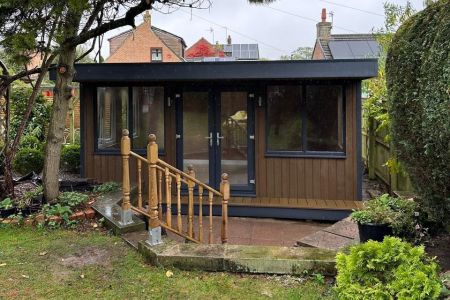
A business startup is a company in the early stages of operation, often created by individuals or small teams developing a product service or professional offering. In recent years more people have chosen to run a business from home rather than renting traditional office or commercial premises.
One of the most effective ways to achieve this is by using a garden room as a dedicated business space. A garden room for business use offers separation focus and flexibility while keeping overheads low and productivity high.
Using a garden room to start or run a business from home allows entrepreneurs to create a professional working environment without the expense or commitment of commercial property. Whether the business is office based creative service focused or client facing a well designed garden room can support growth from startup stage through to long term operation. This article explains how to use a garden room for business use covering essential startup steps benefits design considerations and long term advantages.
For many people the home environment can be full of distractions. A garden room solves this challenge by providing a dedicated workspace that feels separate and purposeful. Stepping into a garden room signals the start of the working day and helps establish routine discipline and focus. This structure is essential when building a new business from home.
Understanding the Home Based Business Startup
Starting a business from home is now a common and widely accepted approach across many industries. Technology digital communication and flexible working practices have made it easier than ever to operate professionally without leaving the property. A garden room enhances this model by offering a workspace that is physically separate from the main house while remaining convenient.
A home based business startup often begins with limited resources and a strong focus on efficiency. Managing costs time and energy effectively is critical. Using a garden room for business use helps achieve this balance by removing the need for commuting reducing rental expenses and providing a controlled environment tailored to business needs.
For entrepreneurs working alone or with a small team a garden room offers enough space to operate professionally without unnecessary complexity. It can function as an office studio workshop or consultation room depending on the nature of the business. This versatility makes garden rooms ideal for startups that may evolve over time.
Essential Steps for Starting a Business from Home
Every successful business begins with research. Understanding the market target audience and competition helps shape a clear strategy. Research allows new businesses to identify opportunities pricing models and gaps in the market. When running a business from a garden room this clarity is even more important as space and resources must be used efficiently.
Developing a business plan is the next step. A clear plan outlines goals services products expected income costs and marketing approach. It also defines how the garden room will be used day to day. Whether the space will focus on client meetings administration production or creative work should be considered from the outset.
Securing finance may or may not be required depending on the scale of the business. Many home based startups are self funded using personal savings. A garden room business space reduces the need for loans or investors by eliminating rent and lowering operating costs. This allows profits to be reinvested into growth rather than overheads.
As the business develops additional support may be required. This could include contractors freelancers or part time staff. A garden room can accommodate this growth by acting as a meeting space or shared workspace when needed while remaining manageable and private.
Launching the business involves promoting services or products and beginning operations. Having a dedicated garden room workspace helps create professionalism from day one. Clients suppliers and partners are more confident when dealing with a business that operates from a purpose built environment rather than a shared living area.
Benefits of Using a Garden Room for Business Use
One of the most significant benefits of using a garden room for business use is cost savings. Commercial offices workshops and studios often come with high rent long contracts and additional expenses. A garden room removes these barriers allowing businesses to start and grow with minimal financial pressure.
Flexibility is another major advantage. A garden room can be adapted to suit different business activities. It may function as a quiet office one day and a meeting or creative space the next. This adaptability is particularly valuable for startups that are still refining their operations.
Convenience plays an important role in productivity. Working from a garden room eliminates commuting time allowing more hours to be spent on meaningful tasks. It also supports better work life balance which can improve focus and reduce burnout during demanding startup phases.
Privacy and concentration are essential for many businesses. A garden room provides a quiet environment away from household noise and interruptions. This is especially important for tasks that require deep focus such as planning design writing or technical work.
Using a garden room also helps establish professional boundaries. Clients and business contacts can visit the workspace without entering the main home. This separation reinforces credibility while maintaining personal privacy.
Designing a Garden Room for Business Success
Designing a garden room for business use begins with understanding specific requirements. Different businesses have different needs. An office based business may prioritise desk space storage and technology while a creative or practical business may need open areas durable surfaces and specialised equipment.
Creating a clear layout supports efficiency and comfort. The space should be organised into functional zones such as work areas storage and meeting spaces. Even in smaller garden rooms thoughtful planning can create a professional and comfortable environment.
Natural light is an important consideration. Windows and glazed doors can make the space feel open and energising. However light should be balanced to avoid glare on screens or work surfaces. Adjustable window coverings allow control throughout the day.
Internal finishes should be practical and durable. Flooring should be easy to clean and suitable for the type of work being carried out. Walls should be light and neutral to maintain a professional appearance and support focus.
Ergonomics and Comfort
Comfort plays a significant role in long term productivity. Ergonomic furniture such as supportive chairs adjustable desks and proper screen positioning helps prevent strain and fatigue. When running a business from a garden room long working hours are common so investing in comfort is essential.
Heating and insulation are also important. A garden room designed for year round use should maintain a comfortable temperature in all seasons. Proper insulation reduces energy costs and ensures the space remains usable regardless of weather.
Ventilation and air quality contribute to wellbeing and concentration. Opening windows ventilation systems or air circulation solutions help maintain a fresh environment which supports focus and overall health.
Technology and Infrastructure
Reliable technology is essential for most modern businesses. A garden room for business use should include sufficient electrical outlets lighting and internet connectivity. Planning these elements early prevents limitations as the business grows.
Lighting should be both functional and comfortable. A combination of ceiling lighting task lighting and natural light creates a balanced workspace suitable for extended use. Lighting design should support the specific tasks performed within the business.
Sound management may also be important. Depending on the location and nature of the work soundproofing or acoustic treatments can help reduce external noise and create a quieter environment for calls meetings or focused tasks.
Using a Garden Room as a Client Facing Workspace
Many home based businesses interact with clients suppliers or partners in person. A garden room provides a professional setting for these interactions without compromising household privacy. This is particularly valuable for consultants designers therapists and service providers.
The space can be furnished to include seating presentation areas or demonstration zones depending on the business type. Creating a welcoming and organised environment helps build trust and confidence.
A garden room can also be used for small group sessions training or workshops. Its separate location makes it ideal for hosting without disrupting the main household.
Marketing and Professional Image
Operating from a garden room does not limit a business ability to appear professional or credible. In many cases it enhances it. Clients appreciate working with businesses that operate from dedicated purpose built spaces rather than improvised areas.
Online presence plays a key role in marketing a home based business. A garden room workspace can be used for content creation photography video calls and behind the scenes material. This helps build brand identity and authenticity.
Consistency is easier to achieve when working from a dedicated business space. Regular routines organised workflows and professional presentation all support stronger marketing and client relationships.
Long Term Growth and Flexibility
A garden room supports long term business growth by offering flexibility and scalability. As the business evolves the space can be reconfigured upgraded or expanded. This adaptability allows entrepreneurs to respond to changing demands without relocating.
For some businesses the garden room remains the permanent base. For others it acts as a stepping stone before moving into larger premises. In both cases the garden room reduces risk during early stages and supports confident decision making.
The investment also adds value to the property. A high quality garden room designed for business use appeals to future buyers and can be repurposed for other uses if needed.
Work Life Balance and Wellbeing
Running a business from home can blur boundaries between work and personal life. A garden room helps maintain separation by creating a physical and mental distinction. Leaving the house to enter the workspace supports routine and focus.
This separation also supports wellbeing. Being surrounded by natural light and garden views can reduce stress and improve mood. A calm and organised workspace encourages sustainable working habits.
For many entrepreneurs this balance is key to long term success. A garden room for business use supports productivity without sacrificing quality of life.
Conclusion
Using a garden room to run or start a business from home offers a powerful combination of affordability flexibility and professionalism. It provides a dedicated workspace that supports focus organisation and growth while keeping costs under control.
By following essential startup steps and designing a functional comfortable environment entrepreneurs can build strong foundations for success. A business startup garden room is more than an office. It is a strategic asset that supports productivity wellbeing and long term business development.