Dance Studio Garden Room | Create a Professional Dance Space
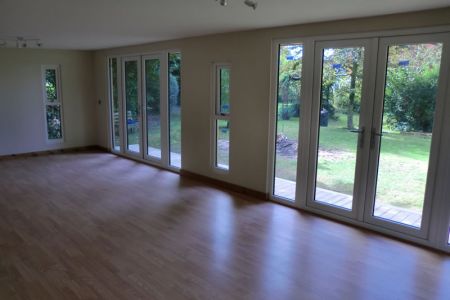
Dance is one of the oldest and most expressive forms of human movement. Across cultures and generations, dance has been used as a way to tell stories, express emotion, celebrate tradition, and maintain physical and mental wellbeing.
From classical ballet to contemporary street styles, dance continues to evolve, inspiring people of all ages and abilities to move, create, and connect.
For dancers, having the right environment to practise and perform is essential.
While commercial studios provide valuable shared spaces, they are not always convenient or accessible. This has led to a growing interest in the Dance Studio Garden Room—a dedicated, purpose-built studio located in the garden, offering privacy, flexibility, and professional-quality space just steps from home.
A Dance Studio Garden Room allows dancers to train on their own schedule, customise their environment, and practise without distraction. Whether used by professionals, students, instructors, or passionate hobbyists, a garden-based dance studio can transform both training routines and overall enjoyment of dance.
Different Types of Dance
There are many styles of dance, each with its own movements, techniques, rhythms, and physical demands. A well-designed dance studio garden room can be adapted to support a wide range of disciplines.
Ballet
Ballet is a classical dance form that originated in the 15th century and is known for its grace, precision, and formalised technique. Ballet dancers benefit greatly from a dedicated studio space with sprung flooring, mirrors, barres, and ample room for movement.
Jazz
Jazz dance is fast-paced, energetic, and expressive, combining sharp movements with fluid transitions. A dance studio garden room provides the open space and suitable flooring required for jumps, turns, and dynamic routines.
Hip Hop
Hip hop dance emphasises rhythm, body isolation, and freestyle movement. Dancers practising hip hop often need durable flooring, good sound systems, and plenty of open space to move freely.
Tap
Tap dance focuses on rhythmic footwork, using metal plates attached to shoes. A garden dance studio allows dancers to practise without disturbing others in the home, especially when fitted with appropriate sound insulation and tap-friendly flooring.
Ballroom
Ballroom dance includes a variety of partner dances with structured steps and flowing movement. A spacious dance studio garden room offers the floor area and ceiling height required for partnered routines.
Modern and Contemporary Dance
Modern dance prioritises natural movement, emotional expression, and individual creativity. A private studio environment encourages experimentation and expressive freedom.
Salsa and Latin Dance
Latin styles such as salsa are known for fast footwork and intricate body movements. A smooth, responsive floor and good acoustics are essential for these energetic forms.
Belly Dance
Belly dance emphasises controlled torso movements and fluid motion. Mirrors, lighting, and a calm environment all support effective practice.
These examples represent only a small selection of global dance traditions. A dance studio garden room can be tailored to suit virtually any dance style, making it an incredibly versatile creative space.
A Dance Studio Garden Room at Home
Having a Dance Studio Garden Room at home offers numerous advantages that go far beyond simple convenience. It creates a dedicated environment where dancers can practise, teach, and perform in comfort and privacy.
Convenience
One of the biggest benefits of a home-based dance studio is accessibility. With a garden studio, you can practise whenever inspiration strikes, without travelling to a commercial studio or working around fixed timetables.
This is especially valuable for dancers with busy schedules, families, or limited access to local studios.
Flexibility
A dance studio garden room can be designed specifically to suit your needs. Flooring, mirrors, lighting, sound systems, and layout can all be customised to support your chosen dance styles.
You are free to choose the music, ambience, and décor that best supports your creativity and motivation.
Privacy
A private dance studio allows dancers to practise without self-consciousness or interruption. This is particularly beneficial when learning new routines, refining technique, or teaching small classes.
Cost Savings
Over time, a home dance studio can reduce or eliminate costs associated with studio hire, travel, and class fees. For instructors, it may also create opportunities to offer private lessons or small group sessions.
Improved Physical Fitness
Dancing is an excellent form of exercise that improves strength, flexibility, coordination, and cardiovascular health. Having a dance studio garden room encourages regular practice, making it easier to maintain an active lifestyle.
Enjoyment and Lifestyle Enhancement
Dance is not only physical but also deeply enjoyable and expressive. A dedicated studio space helps integrate dance into daily life, turning practice into a natural and rewarding routine.
What Equipment Do You Need for a Dance Studio Garden Room?
Creating a functional dance studio garden room requires careful consideration of equipment and layout. The right setup enhances safety, performance, and enjoyment.
Flooring
Flooring is one of the most important elements of a dance studio. The wrong surface can lead to injuries, fatigue, and reduced performance.
For ballet and other high-impact styles, a sprung floor is highly recommended. Sprung floors incorporate cushioning layers that reduce impact on joints and support repetitive movement.
For general dance practice, a Marley floor or similar vinyl surface provides a smooth, consistent finish suitable for a wide range of styles.
Mirrors
Mirrors are essential for technique correction and spatial awareness. Full-length mirrors allow dancers to view posture, alignment, and movement in real time.
Wall-mounted mirrors or mirrored panels are commonly used in dance studio garden rooms.
Sound System
A high-quality sound system is vital for playing music clearly and at appropriate volume levels. Depending on use, this may include speakers, amplifiers, and microphones for instruction.
Good acoustics improve timing, rhythm, and overall training quality.
Barres
Barres are particularly important for ballet and conditioning exercises. Fixed or portable barres can be installed to support stretching, balance, and technical work.
Storage
Dance equipment, footwear, clothing, and accessories need organised storage. Shelving, cupboards, or built-in storage solutions help keep the studio tidy and functional.
Chairs and Tables
If the studio is used for teaching or group sessions, seating and tables may be useful for rest breaks, note-taking, or administrative tasks.
Lighting
Good lighting is essential for visibility and atmosphere. Adjustable lighting allows dancers to adapt brightness levels for practice, performance, or relaxation.
Natural light can be maximised through windows and glazed doors, while artificial lighting ensures consistent use throughout the day and evening.
Designing the Ideal Dance Studio Garden Room
The design of a dance studio garden room should balance functionality, comfort, and aesthetics. Thoughtful planning ensures the space supports both physical movement and creative expression.
Space and Layout
An open, uncluttered layout is essential. Adequate floor area and ceiling height allow for full range of movement, jumps, and turns.
Temperature and Ventilation
Dancing generates heat, so proper insulation, ventilation, and climate control are important. Heating systems ensure comfort in colder months, while ventilation maintains air quality.
Acoustic Considerations
Sound insulation helps contain noise and improves acoustics within the studio. This is particularly important for tap, hip hop, or music-heavy classes.
Safety
Non-slip flooring, rounded edges, and clear walkways reduce injury risk. Adequate lighting and ventilation further support safe practice.
Using a Dance Studio Garden Room for Teaching
A dance studio garden room can also be used for private lessons or small group classes. This creates opportunities for instructors to teach from home while maintaining a professional environment.
With proper planning, the studio can support one-to-one coaching, rehearsals, workshops, or online teaching through video platforms.
Long-Term Value of a Dance Studio Garden Room
Beyond its immediate benefits, a dance studio garden room adds long-term value to a property. High-quality garden rooms are increasingly attractive to buyers seeking flexible living spaces.
If dance use changes in the future, the space can be repurposed as a home gym, yoga studio, office, or creative room, ensuring lasting usefulness.
Why a Dance Studio Garden Room Is a Worthwhile Investment
For dancers, a dedicated studio space represents freedom, consistency, and creative growth. It removes barriers to regular practice and allows full control over the training environment.
A dance studio garden room supports physical health, emotional wellbeing, and artistic development, making it a powerful addition to any home.
Conclusion
A dance studio garden room is an ideal solution for dancers who want a private, professional-quality space at home. Whether used for personal practice, teaching, or creative exploration, a garden-based studio offers unmatched convenience and flexibility.
With the right design, equipment, and layout, a dance studio garden room can enhance performance, inspire creativity, and support a lifelong passion for dance—all within the comfort of your own garden.
As more people seek ways to integrate movement, creativity, and wellbeing into daily life, the dance studio garden room continues to grow in popularity as a practical and rewarding investment.