Contemporary Garden Rooms | Modern Outdoor Living Spaces
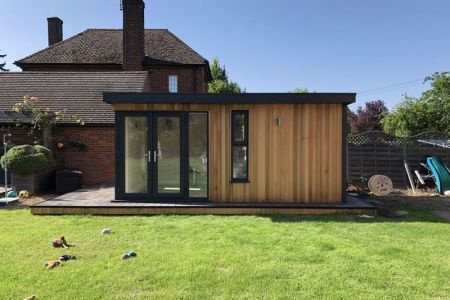
In recent years, contemporary garden rooms have become one of the most desirable additions for homeowners looking to extend their living space without compromising on design, comfort, or their connection to nature. As lifestyles continue to evolve, the need for flexible, high-quality spaces that support work, relaxation, and wellbeing has never been greater. Contemporary garden rooms respond perfectly to this demand, offering stylish, functional environments set within the tranquillity of the garden.
Unlike traditional outbuildings or basic garden sheds, contemporary garden rooms are purpose-designed structures that reflect modern architectural principles. They combine clean aesthetics, advanced materials, and intelligent design to create spaces that feel like a natural extension of the home. Whether used as a home office, creative studio, gym, or peaceful retreat, these modern structures bring new life and value to residential properties.
This article explores the concept of contemporary garden rooms in detail. It defines what makes them unique, examines the materials and design features that define the contemporary style, highlights the benefits they offer, and provides guidance on interior design and furnishing choices that help bring these spaces to life.
Defining Contemporary Garden Rooms
A contemporary garden room is a standalone, purpose-built structure located within a garden, designed to complement modern architecture and lifestyles. It is not simply an outdoor building, but a fully usable, insulated space intended for year-round use.
Contemporary garden rooms are typically designed with simplicity and functionality in mind. They often feature clean lines, open layouts, and large areas of glazing that blur the boundary between indoor and outdoor spaces. The result is a light-filled environment that feels both modern and calming.
These spaces are highly versatile and can be tailored to suit a wide range of uses. From home offices and studios to gyms, lounges, and entertainment spaces, contemporary garden rooms provide adaptable solutions that evolve alongside changing needs.
Modern Design Philosophy Behind Contemporary Garden Rooms
The design philosophy behind contemporary garden rooms is rooted in modern architecture, which prioritises clarity, efficiency, and a strong connection to the surrounding environment. Rather than ornate detailing or traditional forms, contemporary design focuses on purposeful simplicity.
This approach results in spaces that feel uncluttered, balanced, and intentional. Every design element serves a function, whether it is maximising natural light, enhancing thermal performance, or creating visual harmony with the garden.
Contemporary garden rooms are designed to feel calm and effortless. Their understated elegance allows them to integrate seamlessly with both modern and traditional homes, making them a versatile choice for a wide range of properties.
Design Information and Materials
The visual appeal and performance of contemporary garden rooms are driven by careful material selection and thoughtful design. Several key elements consistently define this architectural style.
Clean Lines and Minimalist Aesthetics
Clean lines and simple geometric forms are at the heart of contemporary garden room design. Flat or subtly sloping roofs, sharp edges, and well-proportioned structures create a refined, modern appearance.
This minimalist approach avoids unnecessary ornamentation, allowing the structure itself to make a statement. The result is a space that feels sophisticated, modern, and timeless.
Abundant Natural Light
One of the most defining features of contemporary garden rooms is their emphasis on natural light. Large windows, glazed doors, skylights, and full-height glass panels are commonly used to flood the interior with daylight.
This not only enhances the visual appeal of the space but also strengthens the connection to the garden. Views of greenery, seasonal changes, and outdoor light create an uplifting environment that supports wellbeing and productivity.
Sustainable and High-Performance Materials
Contemporary garden rooms often incorporate sustainable and environmentally responsible materials. Responsibly sourced timber, recycled composites, and energy-efficient glazing are frequently used to reduce environmental impact.
These materials are chosen not only for sustainability but also for durability and performance. Modern cladding systems, insulation technologies, and glazing solutions ensure the building performs efficiently throughout the year.
Integration of Technology
Modern living demands intelligent solutions, and contemporary garden rooms are no exception. Smart lighting systems, climate control, underfloor heating, and energy-efficient appliances can all be integrated seamlessly.
This technology allows homeowners to control comfort and ambience effortlessly, making the garden room as functional and comfortable as any room inside the house.
Benefits of Contemporary Garden Rooms
The growing popularity of contemporary garden rooms is driven by the many benefits they offer. These advantages extend beyond aesthetics, providing practical, emotional, and lifestyle improvements.
Versatility and Functionality
One of the greatest strengths of contemporary garden rooms is their versatility. These spaces can be designed to suit a wide range of functions and easily adapted as needs change.
A garden room might begin as a home office, later become a gym or creative studio, and eventually serve as a guest space or relaxation area. This flexibility makes contemporary garden rooms a future-proof investment.
Increased Living Space Without Disruption
Contemporary garden rooms provide additional living space without the upheaval associated with traditional home extensions. There is no need to sacrifice internal rooms or disrupt daily life.
Because they are separate from the main house, garden rooms also offer a sense of retreat and privacy, creating a clear distinction between different aspects of daily life.
Enhanced Wellbeing
Natural light, garden views, and a sense of separation from household distractions all contribute to improved wellbeing. Contemporary garden rooms create environments that feel calm, restorative, and conducive to focus.
By integrating greenery and outdoor views, these spaces support mental health and encourage a closer relationship with nature.
Minimal Ecological Footprint
When designed with sustainability in mind, contemporary garden rooms can have a relatively low environmental impact. Energy-efficient insulation, glazing, and heating systems reduce energy consumption.
The use of sustainable materials and modern construction methods further supports environmentally responsible living.
The Popularity and Importance of Contemporary Design
Contemporary design has gained widespread popularity because it reflects modern values. Simplicity, efficiency, sustainability, and a connection to nature are increasingly important in today’s world.
Contemporary garden rooms embody these values by offering spaces that are visually striking yet practical, stylish yet restrained. They resonate with homeowners who want their living environments to support both productivity and relaxation.
Beyond individual homes, contemporary garden rooms also represent a broader shift towards more thoughtful use of space. They encourage people to rethink how they live, work, and interact with their environment.
Furnishing and Interior Setup
The interior design of a contemporary garden room plays a crucial role in how the space feels and functions. Careful furnishing and thoughtful layout choices help reinforce the modern aesthetic.
Furniture Selection
Furniture should complement the clean lines of the architecture. Sleek, modern pieces with simple forms work best, helping maintain a sense of openness.
Multifunctional furniture, such as integrated storage or modular seating, is particularly effective in garden rooms where flexibility is important.
Lighting Design
While natural light is central to contemporary garden rooms, artificial lighting is equally important. Recessed lights, pendant fittings, and wall lights can be used to create layered lighting schemes.
Smart lighting systems and dimmers allow the ambience to be adjusted for different activities and times of day.
Flooring Choices
Flooring should be durable, easy to maintain, and visually cohesive. Polished concrete, engineered timber, and large-format tiles are popular choices that complement contemporary design.
Colour Schemes
Neutral colour palettes are a hallmark of contemporary interiors. Shades of white, grey, beige, and soft earth tones create a calm and sophisticated backdrop.
Bold accent colours can be introduced through artwork, cushions, or accessories to add character without overwhelming the space.
Accessories and Decorative Elements
Accessories should be carefully curated rather than abundant. Minimalist artwork, indoor plants, textured textiles, and subtle decorative objects add warmth and personality while maintaining visual clarity.
Indoor-Outdoor Connection
Large windows and sliding or bi-fold doors help create a seamless transition between the interior of the garden room and the surrounding landscape. This integration enhances the feeling of space and strengthens the connection to nature.
Practical Considerations for Contemporary Garden Rooms
In addition to design and aesthetics, practical factors play a vital role in the success of a contemporary garden room.
Insulation, ventilation, heating, and electrical planning all contribute to comfort and usability. Proper planning ensures the space can be enjoyed throughout the year, regardless of weather conditions.
Security is also important. High-quality doors, windows, and locking systems protect the building and its contents while maintaining a sleek appearance.
Long-Term Value of Contemporary Garden Rooms
Contemporary garden rooms can add significant long-term value to a property. As flexible working becomes more common and demand for adaptable spaces increases, high-quality garden rooms are increasingly viewed as desirable features.
Even if the original use changes, the adaptability of a contemporary garden room ensures it remains relevant and useful for many years.
Conclusion
Contemporary garden rooms have become a defining feature of modern outdoor living. By combining clean architectural lines, abundant natural light, sustainable materials, and intelligent technology, they offer spaces that are both functional and visually refined.
These structures provide homeowners with versatile environments that support work, relaxation, and wellbeing, all while strengthening the connection to the garden. With thoughtful design and careful interior planning, a contemporary garden room can become a tranquil retreat that enhances everyday life.
As modern lifestyles continue to evolve, contemporary garden rooms stand out as a practical, stylish, and future-proof solution for extending living space in harmony with nature.