Garden House Guide | Uses, Benefits, Design Ideas and Planning
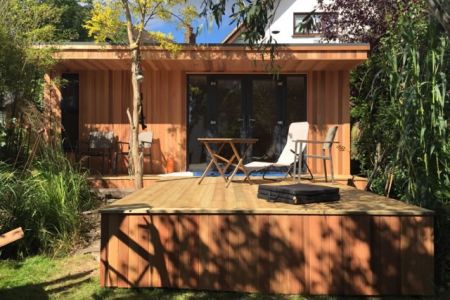
A garden house is one of the most versatile and enduring additions a homeowner can make to their outdoor space.
Traditionally associated with gardening and storage, the modern garden house has evolved into a highly adaptable structure that supports a wide range of practical and lifestyle uses.
From classic potting sheds and horticultural workspaces to contemporary garden buildings used for leisure, work, and relaxation.
As gardens increasingly become extensions of the home, the garden house plays a central role in bridging indoor comfort with outdoor functionality. Whether you are an enthusiastic gardener, a homeowner looking for extra storage, or someone seeking a peaceful retreat close to nature, a garden house offers a practical and visually appealing solution.
This article explores what a garden house is, how it has evolved, the different types available today, design and construction considerations, material choices, planning considerations, and the many benefits of adding a garden house to your property.
What Is a Garden House?
A garden house is a standalone structure positioned within a garden or outdoor space. Historically, garden houses were modest buildings designed primarily for gardening tasks such as potting plants, storing tools, and sheltering equipment. Over time, their purpose has expanded significantly.
Today, a garden house can range from a simple wooden structure used for storage to a fully insulated garden building equipped with electrics, heating, lighting, and high-quality finishes. Modern garden houses are no longer limited to horticulture alone and can be adapted to suit a wide variety of personal and practical needs.
At its core, a garden house provides a functional space that sits outside the main home while remaining easily accessible. This separation allows homeowners to organise activities, hobbies, and storage more efficiently without encroaching on indoor living areas.
The Evolution of the Garden House
Garden houses have a long history rooted in traditional gardening culture. Early versions were often simple timber sheds used to protect tools and provide shelter from the elements while working outdoors. As gardening became more structured and ornamental, garden houses evolved to include potting benches, shelving, and glazed panels to maximise natural light.
In recent decades, changes in lifestyle, property sizes, and working patterns have driven further evolution. The rise of home working, creative hobbies, and outdoor living has transformed the garden house into a multi-purpose structure that supports modern living.
Advances in materials, insulation, and construction techniques have also played a role. Today’s garden houses can rival internal rooms in comfort and usability, allowing them to be used throughout the year rather than just seasonally.
Types of Garden House
There is no single definition of a garden house, as the term encompasses a wide range of structures. The type you choose will depend on how you intend to use the space.
Traditional Garden Houses and Potting Sheds
Traditional garden houses are closely linked to horticulture. They typically include worktables for potting plants, shelving for seed trays and tools, and large windows or glazed sections to allow natural light to reach plants.
These garden houses are ideal for keen gardeners who want a dedicated workspace protected from wind and rain while remaining closely connected to the garden.
Storage Garden Houses
Some garden houses are designed primarily for storage. These structures provide secure, weatherproof space for garden tools, lawn equipment, bicycles, outdoor furniture, and seasonal items.
A well-designed storage garden house helps keep the main garden tidy and reduces clutter in garages or sheds.
Multi-Functional Garden Houses
Many modern garden houses are designed to be flexible. They may combine storage with workspace, seating areas, or hobby zones. This adaptability makes them suitable for a wide range of users, from gardeners to DIY enthusiasts.
Lifestyle Garden Houses
In recent years, garden houses have increasingly been used as lifestyle spaces. These may function as reading rooms, craft studios, garden lounges, or quiet retreats. While not always as fully equipped as a garden room, they still provide a comfortable and attractive space away from the main house.
Design Considerations for a Garden House
Designing a garden house requires careful thought to ensure it meets your practical needs while complementing your outdoor space.
Purpose and Layout
The intended use of the garden house should guide every design decision. A potting shed will require ample work surfaces and natural light, while a storage-focused garden house prioritises accessibility and internal organisation.
Consider how much space you need, how you will move around inside the building, and whether the layout may need to adapt in the future.
Natural Light
Light is particularly important in a garden house, especially if it will be used for gardening, crafts, or hobbies. Windows, glazed doors, and roof lights can all help maximise daylight and create a pleasant working environment.
Well-placed glazing also helps visually connect the garden house with the surrounding landscape.
Ventilation
Proper ventilation prevents moisture build-up and ensures the space remains comfortable. This is especially important if the garden house will store plants, soil, or equipment that may produce damp conditions.
Insulation and Weather Protection
While some garden houses are used only seasonally, others benefit from insulation to extend usability into colder months. Insulated walls, roofs, and floors help regulate temperature and protect stored items from extreme weather.
Materials Used in Garden Houses
The choice of materials has a major impact on durability, appearance, and maintenance.
Timber Garden Houses
Wood is the most traditional and popular material for garden houses. Timber blends naturally into garden settings and offers excellent flexibility in design.
Pressure-treated or naturally durable timbers such as cedar provide good resistance to decay, while timber structures can be painted or stained to suit individual tastes.
Metal Garden Houses
Metal garden houses are valued for their durability and low maintenance. They are resistant to rot, insects, and fire, making them suitable for secure storage.
However, metal structures may require careful ventilation and insulation to prevent condensation.
Plastic and Composite Garden Houses
Plastic and composite garden houses offer a modern, low-maintenance alternative. These materials resist moisture, require minimal upkeep, and often come in contemporary designs.
Composite materials, in particular, combine durability with improved aesthetics and longevity.
Benefits of Having a Garden House
A garden house offers a wide range of benefits that extend beyond simple storage.
Improved Organisation
By providing dedicated space for tools, equipment, and materials, a garden house helps keep both the garden and the main home organised and clutter-free.
Enhanced Gardening Experience
For gardeners, a garden house creates a functional workspace that supports year-round horticultural activity. It allows tasks such as potting, pruning, and planning to be carried out comfortably.
Additional Usable Space
A garden house effectively increases the usable space of a property without extending the main building. This extra space can adapt as needs change over time.
Connection to Nature
Spending time in a garden house encourages closer interaction with the outdoor environment. This connection to nature has well-documented benefits for wellbeing and mental health.
Increased Property Appeal
A well-designed garden house can enhance the overall appeal of a property. It adds character, functionality, and visual interest to the garden, which may be attractive to future buyers.
Planning and Regulations for Garden Houses
In the UK, many garden houses can be built under permitted development rights, provided they meet specific size, height, and location criteria.
Planning permission may be required if the garden house exceeds certain dimensions, is located in a restricted area, or is intended for residential use.
It is important to check local planning guidelines before construction and ensure compliance with any relevant building regulations.
Popular Uses for a Garden House
Garden houses support a wide range of activities:
- Potting and gardening workspace
- Tool and equipment storage
- Hobby and craft area
- Reading or relaxation space
- Seasonal plant protection
- General outdoor utility building
This versatility makes the garden house one of the most adaptable garden structures available.
Furnishing and Equipping a Garden House
The interior setup of a garden house should reflect its purpose.
Workbenches, shelving, and tool storage are essential for gardening-focused spaces, while seating, lighting, and decorative elements suit leisure uses.
Durable flooring, practical storage solutions, and weather-resistant finishes help ensure the garden house remains functional and enjoyable.
Conclusion
A garden house is far more than a simple shed. It is a practical, adaptable, and attractive garden structure that supports a wide range of activities while enhancing the overall usability of outdoor space.
Whether used for gardening, storage, hobbies, or relaxation, a well-designed garden house adds lasting value to both lifestyle and property. By choosing the right materials, layout, and features, homeowners can create a garden house that evolves with their needs and remains a valuable part of the garden for years to come.
As interest in outdoor living continues to grow, the garden house remains a timeless and highly relevant addition to modern homes.