Composite Garden Rooms | Low Maintenance Outdoor Living Spaces
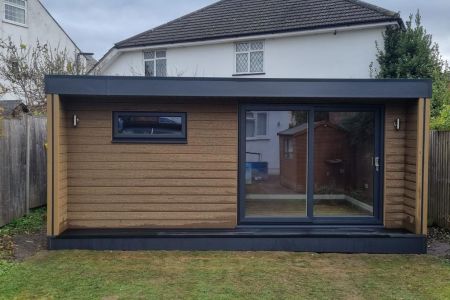
Composite garden rooms have become one of the most sought-after outdoor building solutions in recent years, as homeowners increasingly look for high-quality ways to extend their living space without the disruption and cost of a traditional home extension.
With modern lifestyles demanding flexible spaces for work, relaxation, fitness, and creativity, composite garden rooms offer a practical, stylish, and long-lasting answer.
Unlike traditional timber structures, composite garden rooms are built using advanced composite materials that deliver superior durability, performance, and aesthetic consistency. These materials have transformed the garden room market, offering homeowners a low-maintenance, energy-efficient, and visually striking alternative that is designed to perform in all weather conditions.
In this article, we explore what composite garden rooms are, how composite materials are used in their construction, and why they are rapidly becoming the preferred choice for homeowners seeking a premium outdoor living space. We will also examine the key benefits of composite external cladding and explain why composite construction offers clear advantages over traditional wooden garden buildings.
What Are Composite Garden Rooms?
Composite garden rooms are purpose-built outdoor structures that use composite materials for their external cladding and, in many cases, other structural or finishing elements. These garden rooms are designed to function as fully usable spaces all year round, rather than simple seasonal buildings.
At their core, composite garden rooms combine modern construction techniques with advanced materials to create buildings that are strong, thermally efficient, and visually consistent. They are commonly used as home offices, garden studios, gyms, entertainment rooms, guest spaces, or quiet retreats away from the main house.
The defining feature of a composite garden room is its use of composite materials rather than traditional timber cladding. This choice dramatically improves durability, reduces maintenance, and ensures the building maintains its appearance over time.
What Are Composite Materials?
Composite materials are engineered materials made by combining two or more different components to create a product with enhanced performance characteristics. In construction, composites are designed to overcome the limitations of traditional materials such as wood or metal.
The most common composite materials used in modern construction include fibre-reinforced polymers, glass fibre-reinforced polymers, and wood-plastic composites. In garden room applications, wood-plastic composite cladding is particularly popular due to its strength, weather resistance, and natural appearance.
By blending wood fibres with polymers, composite materials achieve the warmth and texture of timber while eliminating many of the weaknesses associated with natural wood. The result is a material that looks attractive, performs consistently, and requires minimal upkeep.
The Benefits of Using Composite Materials in Garden Rooms
Durability and Long-Term Performance
Durability is one of the most significant advantages of composite garden rooms. Composite materials are specifically engineered to withstand harsh outdoor conditions, making them ideal for buildings that are exposed to the elements throughout the year.
Unlike traditional timber, composite materials are resistant to moisture, rot, fungal growth, and insect infestation. They do not swell, split, or decay when exposed to rain or humidity, which significantly extends the lifespan of the building.
The durability of composite garden rooms is further enhanced by modern construction methods. Many composite panels are manufactured off-site under controlled conditions, ensuring consistent quality and precise tolerances. This approach not only improves structural integrity but also reduces waste and ensures a higher standard of finish.
Low Maintenance Living
One of the most appealing aspects of composite garden rooms is their low maintenance nature. Traditional wooden garden buildings often require regular painting, staining, or sealing to protect them from weather damage. Over time, this ongoing upkeep can become costly and time-consuming.
Composite materials eliminate this issue entirely. They are designed to retain their colour and finish without the need for regular treatment. Composite cladding does not fade, crack, warp, or peel, even after prolonged exposure to sun, rain, and frost.
For homeowners seeking a garden room that looks great year after year with minimal effort, composite construction provides a genuinely hassle-free solution.
Energy Efficiency and Year-Round Comfort
Composite garden rooms are built with year-round usability in mind. Their superior insulation properties make them comfortable spaces in both summer and winter, allowing homeowners to enjoy their garden room regardless of the season.
Composite materials work exceptionally well alongside modern insulation systems, helping to retain heat during colder months and reduce overheating in warmer weather. This thermal efficiency reduces the reliance on heating and cooling, resulting in lower energy consumption and improved comfort.
For those using their garden room as a home office or living space, energy efficiency is a crucial consideration, and composite construction delivers clear advantages.
Versatility of Use
Composite garden rooms are incredibly versatile and can be designed to suit a wide range of uses. Whether you require a compact workspace or a large multi-functional room, composite materials allow for flexible design solutions.
Popular uses for composite garden rooms include home offices, creative studios, gyms, entertainment rooms, treatment rooms, and guest accommodation. Their adaptability makes them suitable for both personal and professional applications.
This versatility is driven by the design freedom offered by composite materials, which can be shaped, sized, and finished to suit individual requirements.
Sustainability and Environmental Responsibility
Sustainability is an increasingly important factor for homeowners, and composite garden rooms offer strong environmental credentials. Many composite materials are manufactured using recycled components, reducing reliance on virgin resources.
At the end of their lifecycle, composite materials can often be recycled again, further minimising environmental impact. In addition, the manufacturing process typically generates less waste than traditional timber construction.
By choosing a composite garden room, homeowners can enjoy a high-performance building while making a more environmentally responsible choice.
Design Flexibility and Modern Aesthetics
Composite materials provide exceptional design flexibility, allowing architects and designers to create clean, modern garden rooms with crisp lines and contemporary finishes.
Unlike natural wood, which can limit design possibilities due to grain direction and structural constraints, composite materials can be moulded and engineered into precise forms. This allows for innovative designs that enhance both functionality and visual appeal.
Composite garden rooms are available in a wide range of colours, textures, and profiles, making it easy to achieve a design that complements both modern and traditional properties.
Fire Resistance and Safety
Safety is another important advantage of composite garden rooms. Composite materials are significantly more fire-resistant than traditional timber, making them a safer option for outdoor buildings.
Many composite materials are treated with fire retardants during manufacturing, reducing their flammability and limiting the spread of fire. Unlike wood, composite materials do not easily ignite and produce fewer harmful fumes when exposed to heat.
Additionally, composite materials do not conduct electricity in the same way as timber, reducing the risk of fire caused by lightning strikes or electrical faults.
Composite Garden Rooms vs Traditional Timber Garden Rooms
When comparing composite garden rooms with traditional timber garden rooms, the advantages of composite construction become clear. Timber buildings often require ongoing maintenance, are vulnerable to moisture damage, and can deteriorate over time if not properly maintained.
Composite garden rooms, by contrast, offer long-term performance with minimal upkeep. They maintain their appearance, structural integrity, and insulation performance far better than traditional wooden structures.
For homeowners looking for a premium, long-lasting solution, composite garden rooms represent a smarter investment.
The Future of Composite Garden Rooms
As technology continues to advance, composite materials are becoming even more sophisticated. Improvements in manufacturing techniques, finishes, and insulation performance are driving innovation in garden room design.
With growing demand for sustainable, low-maintenance outdoor living spaces, composite garden rooms are set to become even more popular in the years ahead. Homeowners are increasingly recognising the value of investing in buildings that combine durability, efficiency, and contemporary design.
Composite materials are helping to redefine what a garden room can be, transforming outdoor spaces into fully integrated extensions of the home.
Conclusion
Composite garden rooms are an excellent investment for homeowners seeking additional living space that is durable, stylish, and easy to maintain. With benefits including long-term durability, minimal upkeep, energy efficiency, design flexibility, sustainability, and enhanced safety, composite materials offer clear advantages over traditional timber construction.
The growing popularity of composite garden rooms reflects a shift towards smarter, more resilient building solutions that meet the demands of modern living. As technology continues to evolve, composite construction will play an increasingly important role in shaping the future of outdoor spaces.
For anyone considering a garden room that delivers lasting performance and timeless appeal, composite garden rooms represent a forward-thinking choice that adds genuine value and enjoyment to any property.