Garden Outbuildings UK | Uses, Benefits, Design Ideas and Planning Guide
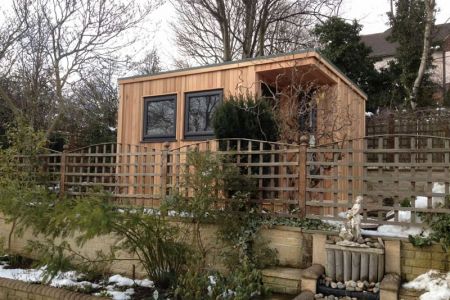
A garden outbuilding has become one of the most versatile and valuable additions a homeowner can make to their property.
As lifestyles continue to evolve and the demand for flexible living and storage solutions increases, garden outbuildings are no longer seen as simple sheds tucked away at the bottom of the garden. Instead, they have transformed into highly functional, well-designed spaces that can enhance both everyday living and long-term property value.
From practical storage buildings and workshops to fully insulated garden rooms, offices, studios, and guest accommodation, garden outbuildings offer an adaptable solution that makes better use of outdoor space. Whether you are looking to declutter your home, create a dedicated workspace, or add a peaceful retreat to your garden, a garden outbuilding can be tailored to meet your exact needs.
This article explores what a garden outbuilding is, the different types available, design and construction considerations, material choices, benefits, planning regulations, popular uses, and why garden outbuildings have become such a popular investment for homeowners across the UK.
What Is a Garden Outbuilding?
A garden outbuilding is a standalone structure built within the garden or outdoor area of a residential property. It is separate from the main house and designed to provide additional usable space, whether for storage, work, leisure, or accommodation.
Garden outbuildings vary widely in size, purpose, and level of specification. At the most basic level, they may be simple storage sheds for tools and garden equipment. At the other end of the scale, they can be fully insulated, electrically connected buildings designed for daily use throughout the year.
What defines a garden outbuilding is its flexibility. Unlike traditional home extensions, outbuildings allow homeowners to expand usable space without major disruption to the main property.
Types of Garden Outbuildings
Garden outbuildings can be designed for a wide range of uses. Understanding the different types helps homeowners choose a solution that best suits their requirements.
Storage Outbuildings
One of the most common forms of garden outbuilding is a storage building. These are used to house garden tools, bicycles, outdoor furniture, lawnmowers, and seasonal items. By moving storage out of the house or garage, homeowners can free up valuable internal space.
Garden Rooms
Garden rooms are insulated outbuildings designed for regular use. They can be used as lounges, hobby rooms, gyms, or relaxation spaces, offering a comfortable extension of the home into the garden.
Garden Offices
With the rise of remote working, garden outbuildings are increasingly used as home offices. A dedicated workspace in the garden provides separation from household distractions while maintaining convenience.
Workshops and Studios
Garden outbuildings are ideal for workshops, artist studios, and creative spaces. They offer room for equipment, materials, and uninterrupted focus.
Guest Accommodation and Annexes
Larger, fully serviced garden outbuildings can be designed as guest rooms or garden annexes. These provide privacy and independence for visitors or family members.
Design Considerations for Garden Outbuildings
Design plays a critical role in the functionality, appearance, and longevity of a garden outbuilding.
Purpose and Layout
The intended use of the outbuilding should guide all design decisions. Storage buildings prioritise accessibility and shelving, while workspaces require lighting, insulation, and ergonomic layouts.
Size and Scale
The size of a garden outbuilding should be appropriate for both its function and the overall garden space. A well-proportioned building enhances the garden rather than dominating it.
Natural Light and Ventilation
Windows, glazed doors, and roof lights improve comfort and usability, particularly for buildings intended for regular occupation. Good ventilation is essential for air quality and temperature control.
Insulation and Weather Protection
For year-round use, insulation is essential. Walls, floors, and roofs should be insulated to maintain a comfortable internal environment regardless of weather conditions.
Foundations and Stability
A solid foundation ensures the outbuilding remains level and stable over time. Depending on ground conditions, this may involve concrete bases, steel pile systems, or other engineered solutions.
Materials Used in Garden Outbuildings
The materials chosen for a garden outbuilding affect its appearance, durability, maintenance requirements, and cost.
Timber
Timber is one of the most popular materials for garden outbuildings. It offers a natural appearance, excellent insulation properties, and design flexibility. Timber buildings blend seamlessly into garden environments and can be treated or engineered for long-term durability.
Metal
Metal outbuildings provide strength, security, and low maintenance. They are often used for storage or workshops where durability is a priority.
Composite Materials
Composite cladding is increasingly used for modern garden outbuildings. It offers resistance to rot, warping, and fading, making it ideal for homeowners seeking minimal upkeep.
Benefits of Garden Outbuildings
Garden outbuildings offer numerous advantages that make them a worthwhile investment.
Increased Usable Space
One of the most obvious benefits is the creation of additional space without extending the main house. This extra space can be adapted to changing needs over time.
Improved Organisation
Storage outbuildings help declutter homes and garages, improving organisation and functionality.
Enhanced Lifestyle
Garden outbuildings can improve quality of life by providing spaces for work, exercise, creativity, or relaxation.
Increased Property Value
A well-designed and professionally built garden outbuilding can add value to a property by increasing usable space and appeal to buyers.
Privacy and Separation
Outbuildings provide separation from the main house, creating quiet, private environments ideal for focused activities.
Planning Permission and Regulations
In many cases, garden outbuildings can be constructed under permitted development rights, provided they meet specific criteria relating to size, height, and location.
Planning permission may be required if the outbuilding exceeds permitted limits, is intended for independent living accommodation, or is located in a designated area such as a conservation zone.
It is always advisable to check local planning guidance before construction begins.
Popular Uses for Garden Outbuildings
Garden outbuildings are extremely versatile and can be adapted for numerous uses.
Common uses include storage, home offices, gyms, studios, workshops, guest rooms, entertainment spaces, and hobby rooms.
This adaptability allows homeowners to repurpose the building as needs change, ensuring long-term usefulness.
Sustainability and Garden Outbuildings
Garden outbuildings can support sustainable living by making efficient use of existing land and reducing the need for larger home extensions.
Energy-efficient insulation, double glazing, and low-energy lighting help minimise environmental impact. Some homeowners also integrate renewable energy solutions such as solar panels.
Furnishing and Finishing a Garden Outbuilding
The interior finish of a garden outbuilding should reflect its intended use.
Storage buildings benefit from shelving and durable finishes, while workspaces require ergonomic furniture, lighting, and connectivity.
Personal touches such as plants, artwork, and soft furnishings can enhance comfort and usability for occupied spaces.
Long-Term Value of Garden Outbuildings
One of the greatest strengths of a garden outbuilding is its long-term flexibility. As circumstances change, the building can be adapted for new uses without major structural alterations.
This adaptability ensures that garden outbuildings remain valuable assets for many years.
Conclusion
A garden outbuilding is a practical, versatile, and future-proof addition to any home. By providing additional space for storage, work, leisure, or accommodation, it allows homeowners to maximise the potential of their outdoor areas.
With thoughtful design, quality materials, and careful planning, a garden outbuilding can enhance daily living, improve organisation, and increase property value. Whether simple or highly specified, a garden outbuilding represents a smart investment that adapts to modern lifestyles.