Music Studio Garden Rooms | Soundproof Garden Buildings for Recording and Practice
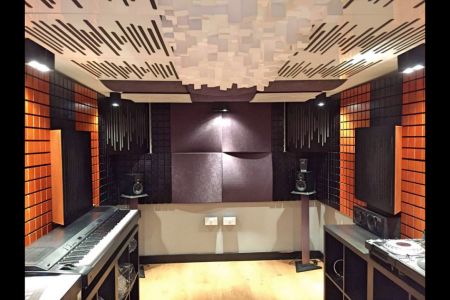
A music studio garden room is a purpose-built outdoor space designed specifically for creating, recording, rehearsing, and producing music without the limitations often found inside the main house.
By relocating musical activity to a dedicated garden building, musicians gain greater freedom, improved acoustics, and far better noise control, while preserving peace within the home and with neighbouring properties.
As remote working and home-based creativity continue to grow, music studio garden rooms have become one of the most sought-after uses for fully insulated garden buildings.
At its core, a music studio is a controlled environment. It houses essential equipment such as microphones, audio interfaces, mixers, amplifiers, monitors, and musical instruments, alongside specialist acoustic treatments that manage sound reflection, absorption, and isolation. When designed correctly, a garden-based music studio can rival the performance of many commercial studios, while offering the convenience and comfort of being just steps away from the house.
Why Choose a Garden Room for a Music Studio
Traditional home music studios often struggle with space constraints, sound leakage, and acoustic compromises. Spare bedrooms, garages, and lofts were rarely designed with sound production in mind. In contrast, a garden room built specifically as a music studio allows every element, from structure to layout, to be optimised for audio performance.
One of the biggest advantages is separation. A garden room physically removes the studio from the main living space, reducing disruption to family life and allowing musicians to work at any hour. This separation is especially valuable for drummers, vocalists, and producers working with amplified sound or low-frequency bass that can easily travel through a house structure.
Garden studios also provide creative focus. Stepping into a dedicated music space helps establish a professional mindset, improving productivity and creativity. For many musicians, producers, and composers, this mental separation is just as important as the technical benefits.
Soundproofing vs Acoustic Treatment Explained
One of the most misunderstood aspects of music studio design is the difference between soundproofing and acoustic treatment. While closely related, they serve very different purposes and both are essential in a high-quality music studio garden room.
Soundproofing is about preventing sound from escaping the studio or entering it from outside. This involves mass, density, airtight construction, and isolation techniques. Common soundproofing measures include double-layered walls, acoustic insulation, resilient bars, floating floors, and sealed doors and windows.
Acoustic treatment, on the other hand, focuses on how sound behaves inside the room. It controls echoes, reverberation, standing waves, and frequency imbalance. This is achieved using acoustic panels, bass traps, diffusers, and careful room geometry. Without proper acoustic treatment, even the most soundproofed room will produce poor recordings and unreliable mixes.
A well-designed music studio garden room balances both elements, ensuring minimal noise disturbance while delivering accurate, controlled sound within the space.
Structural Design for Music Studio Garden Rooms
The structural build of a garden music studio plays a critical role in its performance. Unlike standard garden sheds or basic outbuildings, a music studio requires a solid, insulated, and acoustically considered construction.
High-quality studios typically use timber frame systems with deep wall cavities filled with dense acoustic insulation. Internal linings may incorporate multiple layers of plasterboard or specialist acoustic boards to increase mass and reduce sound transmission. Roofs and floors are equally important, as sound can easily escape through these areas if not properly treated.
Many premium music studio garden rooms are built on concrete bases to provide stability and reduce vibration. Floating floor systems or isolation mats can further minimise low-frequency transmission, which is particularly important for bass-heavy music or live instrumentation.
Internal Layout and Room Geometry
The internal layout of a music studio garden room should be planned around how the space will be used. A solo composer or electronic music producer may prioritise desk space and monitor positioning, while a band rehearsal studio will need clear floor space and robust sound isolation.
Room geometry significantly affects sound quality. Square rooms and parallel walls can cause problematic standing waves and reflections. Professional studio design often incorporates slightly angled walls, ceiling treatments, or strategic acoustic placement to improve sound dispersion.
Zoning is another consideration. Some musicians choose to divide the garden room into a control area and a recording or live room, even within a modest footprint. Others may include a small vocal booth or isolation corner for vocals and acoustic instruments.
Electrical, Lighting, and Ventilation Considerations
Music studios place higher demands on electrical systems than typical garden rooms. Dedicated power circuits help prevent interference and ensure stable operation of sensitive audio equipment. Multiple socket points, USB outlets, and data connections should be positioned with studio workflows in mind.
Lighting should be functional yet comfortable. Adjustable LED lighting allows users to create different atmospheres, from bright task lighting for technical work to softer ambient lighting for creative sessions. Avoiding noisy light fittings or transformers is important, as even minor electrical hum can affect recording quality.
Ventilation is often overlooked but essential. A sealed, soundproofed studio can quickly become warm and uncomfortable. Acoustic ventilation systems allow fresh air circulation without compromising sound isolation, ensuring the studio remains comfortable during long sessions.
Equipment Commonly Used in Garden Music Studios
Music studio garden rooms can accommodate a wide range of equipment depending on the user’s goals and genre. Common setups include digital audio workstations running on computers or laptops, paired with audio interfaces and studio monitors.
Microphones are central to many studios, from condenser microphones for vocals to dynamic microphones for instruments and amplifiers. MIDI controllers, synthesisers, drum machines, and mixing consoles are also popular, particularly for electronic and hybrid music production.
For live musicians, amplifiers, drum kits, and pedal boards may form the core of the studio. Garden rooms offer the space and isolation needed to use this equipment properly, without volume restrictions imposed by indoor environments.
Professional vs Home Music Studio Garden Rooms
Music studio garden rooms can be tailored for professional or personal use. Professional studios often demand higher levels of sound isolation, precision acoustics, and client-ready aesthetics. These spaces may host external musicians, vocalists, or producers, and need to deliver consistent, reliable results.
Home studios, while still highly capable, can be designed with greater flexibility. Advances in recording technology mean that compact setups can produce studio-quality results without the need for extensive hardware. For hobbyists, semi-professionals, and content creators, a garden studio provides an ideal balance between performance and practicality.
Both types benefit from the same core principles: insulation, acoustic control, comfort, and thoughtful design.
Planning Permission and Building Regulations
In many cases, music studio garden rooms can be installed under permitted development rights, provided they meet specific size and height restrictions and are not used as separate living accommodation. This makes them an attractive option for homeowners seeking additional functional space without complex planning processes.
However, soundproofing requirements and intended use should always be discussed early in the design stage. Electrical work must comply with current regulations, and structural elements should be built to withstand long-term use. A professionally designed garden studio ensures compliance while delivering optimal performance.
Long-Term Value and Lifestyle Benefits
Beyond music production, a high-quality garden studio adds long-term value to a property. Fully insulated garden rooms are versatile structures that can be repurposed in the future as offices, gyms, or creative spaces, making them a sound investment.
From a lifestyle perspective, having a dedicated music space encourages regular practice, experimentation, and creative growth. It removes barriers such as setup time and noise concerns, allowing musicians to focus purely on their craft.
For professionals, a garden studio can support income generation through recording, teaching, or production work, all without the overheads of renting commercial premises.
Conclusion
Music studio garden rooms offer an exceptional solution for musicians seeking high-performance creative spaces at home. By combining professional-grade construction, effective soundproofing, and carefully planned acoustics, these studios provide an environment where music can be created freely and confidently.
Whether used for recording, rehearsing, producing, or composing, a purpose-built garden music studio delivers the privacy, comfort, and technical capability needed to achieve outstanding results. As technology continues to evolve and home-based creativity becomes increasingly common, music studio garden rooms stand out as one of the most practical and rewarding investments a musician can make.