Therapy Room Garden Rooms | Private Garden Spaces for Professional Therapy
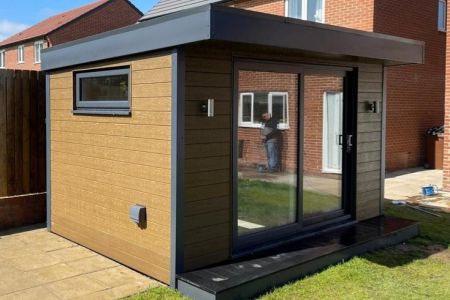
Therapy room garden rooms are purpose-built outdoor spaces designed to provide a calm, private, and professional environment for therapeutic work.
As awareness of mental health, wellbeing, and holistic care continues to grow, many practitioners and homeowners are seeking dedicated spaces that support healing, confidentiality, and comfort.
A therapy room garden room offers an ideal solution by combining separation from the main home with the tranquillity of a garden setting.
A therapy room is a dedicated space used for psychotherapy, counselling, physical therapy, occupational therapy, and a wide range of wellbeing-focused treatments. Traditionally found within clinics, hospitals, or commercial premises, therapy rooms are now increasingly being created at home within garden rooms. This shift reflects changing lifestyles, flexible working practices, and a desire for more personal, welcoming therapeutic environments.
By situating a therapy room within a garden room, practitioners can create a peaceful retreat that supports trust, openness, and emotional safety, while maintaining professional standards and boundaries.
What Is a Therapy Room Garden Room
A therapy room garden room is a fully insulated, standalone building installed within a garden and designed specifically for therapeutic use. It provides a quiet, private space separate from the main house, ideal for one-to-one or small group therapy sessions.
These garden rooms are carefully designed to support confidentiality, comfort, and emotional wellbeing. They typically include sound insulation, controlled lighting, comfortable furnishings, and a calm, neutral aesthetic.
Unlike improvised home spaces, a therapy room garden room establishes a clear professional boundary, helping both therapist and client feel secure and focused.
The Importance of a Dedicated Therapy Space
Therapy relies heavily on environment. Clients need to feel safe, relaxed, and free from interruption in order to open up and engage fully in the therapeutic process.
A dedicated therapy room garden room removes many of the distractions and limitations associated with shared indoor spaces.
The separation from daily household activity helps create a psychological shift, reinforcing the sense that the space is reserved solely for care, reflection, and healing.
Why Choose a Garden Room for Therapy
Garden rooms offer a unique balance of privacy and accessibility. Clients can attend sessions without entering the main home, preserving professional boundaries.
The garden setting introduces natural light, greenery, and a sense of calm that supports relaxation and emotional regulation.
For therapists working from home, a garden room provides a professional environment without the overheads of renting external premises.
Types of Therapy Supported
Therapy room garden rooms are highly versatile and can support a wide range of therapeutic practices.
They are commonly used for counselling and psychotherapy, offering a quiet and confidential space for talking therapies.
They are also suitable for cognitive behavioural therapy, mindfulness-based therapies, and trauma-informed approaches.
Some therapy garden rooms are adapted for physical therapy, occupational therapy, or complementary practices such as massage, reiki, or holistic treatments.
Designing a Calm and Therapeutic Environment
The design of a therapy room garden room should prioritise calm, simplicity, and comfort. Every element of the space contributes to how clients feel during sessions.
Neutral colour palettes, soft textures, and natural materials help create a non-threatening, welcoming atmosphere.
Avoiding clutter and excessive decoration supports focus and emotional safety.
Layout and Spatial Considerations
The internal layout of a therapy room garden room should support ease of movement and clear sightlines without feeling clinical.
For talking therapies, a comfortable seating arrangement that allows face-to-face interaction without confrontation is ideal.
For body-based therapies, sufficient space is needed for treatment beds, movement, or equipment.
The room should feel spacious enough to avoid confinement while still offering intimacy.
Comfortable and Supportive Furniture
Furniture selection is critical in a therapy room garden room. Seating should be comfortable, supportive, and appropriate for extended sessions.
Chairs or sofas should encourage relaxed posture while maintaining a professional appearance.
For physical or holistic therapies, high-quality treatment beds and adjustable furniture enhance client comfort and practitioner ergonomics.
Lighting for Therapy Rooms
Lighting has a powerful impact on mood and emotional regulation. A therapy room garden room should balance natural and artificial light carefully.
Natural light creates a sense of openness and wellbeing, particularly when combined with garden views.
Artificial lighting should be soft, warm, and adjustable, avoiding harsh overhead lights that can feel clinical.
Soundproofing and Confidentiality
Confidentiality is essential in any therapeutic setting. Therapy room garden rooms are designed with sound insulation to prevent conversations from being overheard.
Insulated walls, quality doors, and appropriate construction methods help contain sound and protect privacy.
This reassurance allows clients to speak openly without fear of being heard.
Temperature Control and Year-Round Comfort
A therapy room garden room must be comfortable in all seasons. Full insulation ensures stable internal temperatures throughout the year.
Heating options provide warmth during colder months, supporting relaxation and physical comfort.
Ventilation ensures fresh air circulation, preventing the space from feeling stuffy or uncomfortable.
The Role of Nature in Therapy
Being close to nature has well-documented benefits for mental health and emotional wellbeing.
A garden-based therapy room allows clients to experience subtle connections with the outdoors through natural light, views, and seasonal changes.
This connection can enhance relaxation, reduce stress, and support therapeutic outcomes.
Creating a Safe and Non-Threatening Space
Clients may arrive at therapy feeling vulnerable or anxious. The environment should immediately convey safety and calm.
Soft furnishings, gentle colours, and uncluttered design help reduce sensory overload.
The separation from busy public spaces or clinical environments can make therapy feel more personal and less intimidating.
Therapy Room Garden Rooms for Home-Based Practitioners
Many therapists now choose to work from home, and a garden room provides an ideal professional solution.
It allows therapists to welcome clients without compromising personal privacy.
The physical separation supports work-life balance, helping practitioners mentally switch between professional and personal roles.
Therapy Rooms for Private Practice
A therapy room garden room can serve as a fully functional private practice.
It offers a professional environment that enhances credibility and client confidence.
Practitioners can personalise the space to reflect their therapeutic approach and values.
Use in Healthcare and Wellbeing Settings
Beyond private homes, therapy room garden rooms are increasingly used in schools, care settings, and community environments.
They provide flexible, cost-effective spaces for therapy without the need for permanent building extensions.
This adaptability makes them suitable for a wide range of healthcare applications.
Accessibility Considerations
Accessibility is an important factor in therapy room design. Garden rooms can be designed with level access and wide doorways.
This ensures the space is inclusive and welcoming to clients with mobility needs.
Thoughtful design supports dignity and ease of use for all clients.
Professional Boundaries and Ethical Practice
A dedicated therapy room garden room helps reinforce professional boundaries.
Clients attend sessions in a clearly defined therapeutic space rather than a shared domestic environment.
This distinction supports ethical practice and enhances the therapeutic relationship.
Emotional Safety and Trust
Trust is central to effective therapy. The environment plays a key role in establishing this trust.
A calm, consistent therapy room garden room becomes a familiar and reassuring place for clients.
Over time, this sense of safety supports deeper therapeutic work.
Planning Permission and Practical Considerations
In many cases, therapy room garden rooms can be installed under permitted development rights, provided they meet size and height guidelines and are used as ancillary spaces.
Professional advice ensures compliance with local regulations.
Careful positioning within the garden enhances privacy and accessibility.
Long-Term Flexibility of Therapy Garden Rooms
Therapy room garden rooms are flexible spaces that can adapt over time.
If professional needs change, the room can be repurposed for other wellbeing activities, home offices, or personal use.
This flexibility ensures long-term value.
Adding Value to Property
A well-designed therapy room garden room can add value to a property.
Future buyers may see it as a versatile garden room suitable for multiple uses.
The additional usable space enhances the overall appeal of the home.
The Growing Demand for Therapeutic Spaces
Increased awareness of mental health and wellbeing has driven demand for accessible therapy spaces.
Garden room therapy spaces reflect a broader shift towards personalised, holistic care environments.
This trend is expected to continue as flexible working and home-based practices become more common.
Conclusion
Therapy room garden rooms provide a peaceful, private, and professional environment for therapeutic work. By combining the calm of a garden setting with the functionality of a dedicated therapy space, they support effective, compassionate care.
Whether used for counselling, psychotherapy, or holistic treatments, a therapy room garden room offers flexibility, confidentiality, and comfort. It is a valuable investment in wellbeing, professional practice, and long-term lifestyle balance.