Garden Studios | Insulated Garden Spaces for Work, Leisure & Living
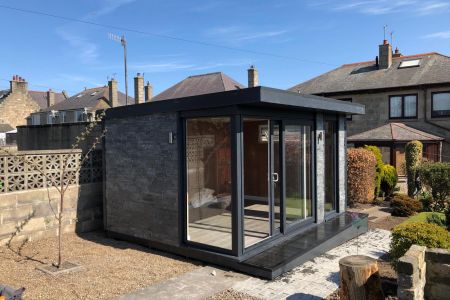
Garden studios have rapidly become one of the most desirable additions to modern homes. Often referred to as garden offices or multifunctional garden rooms, these self-contained structures are purpose-built buildings located within the garden of a residential property.
Once seen as a luxury, garden studios are now viewed as a practical and valuable extension of the home, offering a versatile space that adapts to changing lifestyles, working habits, and family needs.
As remote working, self-employment, and flexible lifestyles continue to rise, homeowners are increasingly searching for ways to create functional space without the disruption, cost, or planning complexities of a traditional home extension. A garden studio provides the perfect solution, delivering a dedicated, peaceful environment that remains physically separate from the main house while still being just steps away.
What Is a Garden Studio?
A garden studio is a standalone structure designed to be used year-round. Unlike basic sheds or summerhouses, garden studios are fully insulated, weather-resistant, and constructed to a much higher standard. They typically feature solid foundations, insulated walls, floors, and roofs, as well as high-quality doors and windows that provide comfort, security, and longevity.
Garden studios are designed to feel like a true extension of the home rather than an afterthought. Internally, they can be finished to a high specification with plastered walls, modern flooring, heating, lighting, and full electrical installations. Externally, they are often clad in contemporary or natural materials to complement both the garden and the main property.
Why Garden Studios Are Growing in Popularity
The demand for garden studios has grown significantly in recent years, driven by shifts in how people live and work. Many homeowners now require flexible space that can evolve over time, rather than committing to a single-purpose room. A garden studio meets this demand perfectly.
One of the main reasons for their popularity is the ability to create a quiet, distraction-free environment. Working from a spare bedroom or kitchen table often comes with interruptions and blurred boundaries between work and home life. A garden studio offers a clear separation, helping improve focus, productivity, and work-life balance.
Beyond work, garden studios also appeal to those seeking personal space for relaxation, creativity, or fitness. Whether used as an art studio, music room, yoga space, or reading retreat, they provide an environment that encourages calm and concentration.
The Benefits of Having a Garden Studio
One of the most significant advantages of a garden studio is flexibility. A single structure can serve multiple purposes throughout its lifetime, adapting as household needs change. A home office today could become a hobby room, guest space, or teenage den in the future.
Garden studios also add measurable value to a property. High-quality, fully insulated garden buildings are attractive to potential buyers who see them as usable living space rather than temporary structures. In many cases, a well-designed garden studio can enhance both the market appeal and resale value of a home.
Another key benefit is improved wellbeing. Having access to a private space surrounded by greenery helps reduce stress and encourages a healthier lifestyle. Large windows and glazed doors allow natural light to flood the interior, creating a bright, uplifting environment that feels connected to the outdoors.
Privacy is another major advantage. Because the studio is separate from the main house, it allows occupants to work, create, or relax without disturbing others. This is particularly beneficial for households with children, shared living arrangements, or multiple people working from home.
Common Uses for Garden Studios
While garden studios are often associated with home offices, their uses extend far beyond professional workspaces. Many homeowners design their studios to support both work and leisure, maximising the return on their investment.
Creative professionals frequently use garden studios as art rooms, photography studios, or music production spaces. The separation from the home allows for greater freedom, whether that involves noise, equipment, or materials that would otherwise be intrusive indoors.
Garden studios are also popular as wellness spaces. Yoga studios, home gyms, and meditation rooms benefit greatly from a quiet, light-filled environment away from household distractions. With the right insulation and heating, these spaces can be enjoyed throughout the year.
In addition, garden studios can serve as guest accommodation or private retreats for visiting family members. While not always designed as full living quarters, they can provide comfortable, independent space that enhances hospitality without compromising privacy.
Designing the Perfect Garden Studio
The design process is one of the most important stages when creating a garden studio. The intended use of the space should guide every decision, from size and layout to finishes and glazing.
For work-focused studios, ergonomics and lighting are critical. Adequate natural light reduces eye strain and improves mood, while proper artificial lighting ensures comfort during darker months. Ventilation is equally important to maintain air quality, particularly when the studio is used for long periods.
If the studio is intended for creative or leisure use, comfort and atmosphere often take priority. Soft lighting, acoustic considerations, and carefully chosen materials can transform the space into a relaxing retreat. Storage solutions should also be considered early to keep the interior clutter-free.
Layout plays a crucial role in usability. Even compact garden studios can feel spacious with clever design choices such as floor-to-ceiling glazing, sliding doors, and minimal internal partitions.
Materials and Construction Quality
Garden studios can be constructed using a range of materials, each offering different aesthetic and performance benefits. Timber is a popular choice due to its natural appearance and versatility. When properly treated and maintained, it provides excellent durability and blends seamlessly into garden settings.
Composite and engineered cladding options have become increasingly popular for their low maintenance requirements and long lifespan. These materials resist moisture, fading, and warping, making them ideal for homeowners seeking a contemporary look with minimal upkeep.
Insulation is one of the most critical elements of a garden studio. High-performance insulation ensures the space remains warm in winter and cool in summer, allowing for comfortable year-round use. This also improves energy efficiency, reducing heating costs over time.
Windows and doors should be selected with both security and thermal performance in mind. Double or triple glazing helps maintain internal temperatures while also reducing noise from outside.
Planning, Location, and Orientation
Choosing the right location within the garden is essential to maximise the enjoyment and functionality of a garden studio. Accessibility from the main house should be balanced with privacy, ensuring the studio feels like a separate retreat rather than an extension of indoor living.
Orientation plays a key role in natural light and temperature control. South-facing studios typically receive the most sunlight, creating bright interiors that feel welcoming throughout the day. East-facing studios benefit from morning light, while west-facing designs capture afternoon and evening sun.
It is also important to consider how the studio will relate to existing garden features, such as trees, fences, and landscaping. Thoughtful positioning can enhance views, reduce overshadowing, and create a more harmonious outdoor environment.
Year-Round Comfort and Practical Features
A well-designed garden studio should be comfortable in all seasons. Heating options such as electric radiators or underfloor systems ensure warmth during colder months, while ventilation and shading help regulate temperature in summer.
Electrical installations are another key consideration. Adequate power points, lighting circuits, and data connections are essential for modern use, particularly for home offices and creative studios.
Sound insulation may also be important, especially for music studios, meeting spaces, or households where multiple activities take place simultaneously. High-quality construction and materials help minimise noise transfer in both directions.
Long-Term Value and Lifestyle Benefits
Investing in a garden studio is not just about gaining extra space; it is about enhancing quality of life. Having a dedicated area to focus, create, or unwind can significantly improve daily routines and overall wellbeing.
From a financial perspective, garden studios offer excellent value compared to traditional extensions. They typically require less disruption during installation, can often be completed more quickly, and provide a strong return on investment through increased property appeal.
As lifestyles continue to evolve, flexible spaces are becoming increasingly important. A garden studio offers future-proof living, adapting effortlessly to new ways of working, relaxing, and spending time at home.
Conclusion
Garden studios represent one of the most versatile and rewarding home improvements available today. Whether used as a professional workspace, creative retreat, wellness studio, or multi-purpose garden room, they provide a practical solution to modern living challenges.
With thoughtful design, quality materials, and careful planning, a garden studio can transform unused garden space into a valuable, inspiring environment that enhances both lifestyle and property value. As the demand for flexible, high-quality living solutions continues to grow, garden studios remain a smart and forward-thinking investment for homeowners.