Recording Studio Garden Rooms | Soundproof Home Studios for Professional Audio
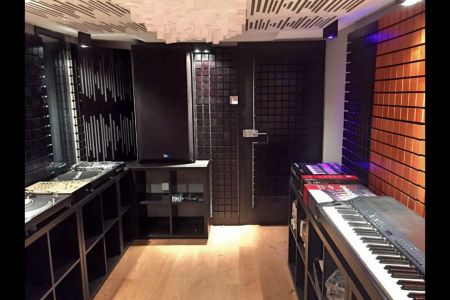
A recording studio garden room is a purpose-built outdoor space designed specifically for recording, mixing, and producing high-quality audio in a controlled environment.
As music production, podcasting, voiceover work, and content creation continue to grow, more musicians, producers, and creatives are choosing to build professional studios at home.
A garden room recording studio offers the perfect balance of performance, privacy, and convenience without the ongoing costs of commercial studio hire.
A recording studio is a specialised facility equipped with microphones, audio interfaces, mixing consoles, digital audio workstations, and monitoring systems that allow sound to be captured and refined with precision. When designed correctly, a garden-based recording studio can achieve acoustic performance comparable to professional facilities, while offering total creative freedom and flexible working hours.
Unlike makeshift home studios set up in spare bedrooms or garages, a recording studio garden room is designed from the ground up to address sound isolation, acoustics, comfort, and workflow. This results in a dedicated creative environment where high-quality recordings can be produced consistently.
What Is a Recording Studio Garden Room
A recording studio garden room is a fully insulated, standalone structure installed within a garden and purpose-designed for audio production. It separates music and audio work from the main house, reducing noise disturbance while creating a focused and professional workspace.
These studios can be designed for a wide range of uses, including music recording, mixing and mastering, podcast production, voiceover recording, sound design, and audio production for film or media. Whether used by hobbyists or professionals, the core objective remains the same: to create an acoustically controlled space with minimal external interference.
The flexibility of a garden room allows the studio to be tailored precisely to the user’s requirements, whether that involves a compact vocal booth or a multi-room setup with control and live areas.
Why Choose a Garden Room for a Recording Studio
Traditional home recording spaces often struggle with noise, interruptions, and acoustic limitations. Household sounds, neighbours, and street noise can all compromise recording quality. A garden room provides physical separation that significantly reduces these issues.
One of the main advantages is freedom of use. With a dedicated studio away from the main living space, recording sessions can take place at any time without disturbing family members or neighbours.
From a professional perspective, a garden studio also creates a more credible environment for clients. Artists, vocalists, and collaborators can attend sessions in a space that feels purpose-built rather than improvised.
Soundproofing and Acoustic Control Explained
Effective recording studio design relies on two key principles: soundproofing and acoustic treatment. While often confused, these serve different functions and both are essential.
Soundproofing focuses on preventing sound from entering or leaving the studio. This involves adding mass, sealing gaps, and isolating the structure from external vibrations. Techniques include insulated walls, dense materials, airtight construction, and specialist doors and windows.
Acoustic treatment focuses on sound quality inside the room. It controls reflections, echoes, standing waves, and frequency balance using absorbers, bass traps, and diffusers. Without proper acoustic treatment, even a soundproofed room will produce poor recordings.
A recording studio garden room is designed to balance both elements, ensuring clean recordings and minimal noise leakage.
Studio Layout and Zoning
The internal layout of a recording studio garden room plays a major role in workflow and performance. Clear zoning helps organise equipment and maintain efficiency during sessions.
Many studios include a control area where the computer, audio interface, and monitors are positioned, alongside a separate recording area for vocals or instruments. In larger garden rooms, this separation may be physical, while smaller studios rely on careful positioning and acoustic treatment.
Ceiling height, room proportions, and speaker placement all influence sound quality. Proper planning ensures balanced acoustics and comfortable working conditions.
Lighting and Comfort
Recording sessions often last for several hours, making comfort a key consideration. A well-designed garden studio includes comfortable lighting, temperature control, and ventilation.
Lighting should be quiet, flicker-free, and adjustable. Soft ambient lighting helps create a relaxed creative atmosphere, while task lighting supports equipment use without causing glare or distraction.
Insulation helps maintain stable internal temperatures, while optional heating or cooling ensures year-round usability.
Ventilation and Airflow
Ventilation is critical in a recording studio, particularly in soundproofed spaces where airflow is naturally restricted. Fresh air is essential for comfort and concentration during long sessions.
Acoustic ventilation systems allow air to circulate without compromising sound isolation. These systems are designed to minimise noise while maintaining healthy air quality.
Proper airflow prevents overheating of equipment and ensures a comfortable environment for performers and engineers alike.
Electrical and Technical Requirements
Recording studios place specific demands on electrical systems. Clean, stable power is essential to avoid interference and equipment issues.
Multiple power outlets are required for audio interfaces, computers, monitors, outboard gear, and lighting. Dedicated circuits help reduce electrical noise and ensure reliable performance.
Data connectivity is also important for file transfers, backups, and online collaboration. Planning these requirements during the design stage ensures a smooth and efficient setup.
Equipment Commonly Used in Recording Studios
A recording studio garden room can support a wide range of equipment depending on the intended use. Common items include microphones, audio interfaces, studio monitors, headphones, and MIDI controllers.
Digital audio workstations form the core of most studios, allowing recording, editing, mixing, and mastering within a single environment. Additional outboard equipment may include preamps, compressors, and effects units.
The advantage of a dedicated studio is that equipment can remain permanently installed, reducing setup time and improving workflow.
Recording Studio Garden Rooms for Music Production
For musicians and producers, a garden-based recording studio provides creative independence. Artists can write, record, and refine music without external pressures or time constraints.
This environment supports experimentation and creative growth. New ideas can be explored freely, and sessions can continue until the desired result is achieved.
Having a private studio also encourages consistency, which is essential for developing sound quality and production skills.
Voiceover, Podcasting, and Media Production
Recording studio garden rooms are increasingly used for voiceover work, podcasting, and media production. These applications require clean, controlled sound with minimal background noise.
A garden studio provides the quiet, consistent environment needed for spoken-word recording. This makes it ideal for audiobooks, commercial voiceovers, online content, and broadcast media.
Clients value the reliability and professionalism of a dedicated recording space, particularly in remote working environments.
Professional vs Home Recording Studios
Recording studio garden rooms can be designed for personal or professional use. Home studios may focus on individual creativity, while professional studios often accommodate clients and collaborative work.
Professional setups typically require higher levels of sound isolation, more precise acoustic treatment, and enhanced client comfort. These features can be incorporated into a garden room design when needed.
The scalability of garden rooms allows studios to grow alongside creative or business ambitions.
Cost Efficiency Compared to Commercial Studios
Hiring commercial studio space can be expensive and restrictive. Hourly rates, travel time, and limited availability all add to the cost.
A recording studio garden room represents a long-term investment that eliminates ongoing rental expenses. Once built, the studio is available whenever inspiration strikes.
For professionals, this cost efficiency can significantly improve profitability, while hobbyists benefit from unrestricted creative access.
Planning Permission and Practical Considerations
In many cases, recording studio garden rooms can be installed under permitted development rights, provided they meet size and height guidelines and are used as ancillary spaces.
Soundproofing requirements, electrical installations, and ventilation should be considered early in the design process. Professional installation ensures compliance and long-term performance.
Positioning the studio within the garden should also consider neighbour proximity and access.
Long-Term Flexibility and Property Value
A recording studio garden room adds value beyond audio production. If needs change, the space can be repurposed as a home office, gym, or creative studio.
This flexibility makes the investment future-proof and attractive to potential buyers. Fully insulated garden rooms are increasingly seen as premium lifestyle additions.
For creatives, this means the studio supports both current projects and long-term property value.
The Cultural Impact of Recording Studios
Recording studios play a vital role in shaping music, media, and culture. They provide the environment where ideas become finished works that inform, entertain, and inspire audiences.
From independent artists to commercial productions, studios enable creative expression and technical innovation. A garden-based studio allows individuals to participate in this creative process from home.
This accessibility supports a more diverse and inclusive creative landscape.
Conclusion
Recording studio garden rooms offer a powerful solution for musicians, producers, and audio professionals seeking high-quality creative space at home. By combining soundproofing, acoustic control, and thoughtful design, they deliver professional performance in a private setting.
Whether used for music production, voiceover work, podcasting, or media creation, a purpose-built garden recording studio provides freedom, consistency, and long-term value. It allows creativity to thrive without compromise, making it one of the most effective home studio solutions available today.