Spa Room Garden Rooms | Luxury Garden Spaces for Home Wellness and Relaxation
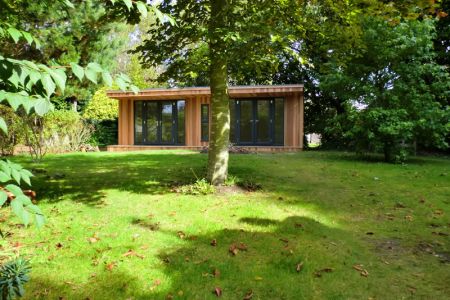
Spa room garden rooms are purpose-built outdoor wellness spaces designed to bring the tranquillity and restorative benefits of a luxury spa into a private garden setting.
As homeowners increasingly prioritise wellbeing, relaxation, and self-care, garden-based spa rooms have emerged as a highly desirable addition to modern homes.
These dedicated spaces provide a peaceful retreat away from the main house, allowing users to unwind, recharge, and focus on physical and mental wellness.
A spa room is traditionally a dedicated environment designed to promote relaxation, rejuvenation, and stress relief. It may include features such as massage areas, hot tubs, saunas, steam rooms, relaxation seating, and ambient lighting. When housed within a garden room, a spa space gains additional benefits, including privacy, separation from daily life, and a strong connection to nature.
Spa room garden rooms are designed for both personal and professional use. Whether created as a private wellness sanctuary or a treatment space for therapists, these structures combine comfort, functionality, and aesthetics to deliver a premium spa experience at home.
What Is a Spa Room Garden Room
A spa room garden room is a fully insulated, standalone building installed within a garden and designed specifically for wellness and relaxation activities. Unlike temporary outdoor structures or converted sheds, spa garden rooms are purpose-built to accommodate heat, moisture, and regular use.
These rooms can be configured to include a variety of spa features, depending on available space and individual preferences. Common inclusions range from massage tables and relaxation zones to saunas, steam rooms, and hydrotherapy equipment.
The separation from the main house allows the spa room to function as a true retreat, encouraging users to disconnect from daily stresses and focus on self-care.
The Growing Popularity of Spa Garden Rooms
Interest in home wellness spaces has grown significantly in recent years. Busy lifestyles, increased awareness of mental health, and the desire for convenience have driven homeowners to seek spa experiences without leaving home.
Spa room garden rooms offer an accessible alternative to regular spa visits, providing long-term value and daily access to relaxation. The garden setting enhances the experience, combining wellness with fresh air, greenery, and natural light.
These spaces are also appealing because they make use of underutilised garden areas, transforming them into meaningful lifestyle assets.
The Benefits of Having a Spa Room at Home
One of the most significant benefits of a spa room garden room is convenience. Users can enjoy spa treatments and relaxation without travel, scheduling, or ongoing costs associated with commercial spas.
Privacy is another key advantage. A personal spa space allows users to relax completely, free from distractions or social pressures.
Regular access to spa facilities can support physical recovery, stress reduction, and overall wellbeing, making a home spa a valuable long-term investment in health.
Designing a Spa Room Garden Room
The design of a spa room garden room should prioritise calm, comfort, and flow. Layout planning ensures the space supports relaxation and easy movement between different wellness zones.
Soft finishes, natural materials, and neutral colour palettes help create a tranquil atmosphere. Timber, stone-effect surfaces, and textured fabrics are commonly used to evoke a spa-like feel.
The design should also consider practical requirements such as ventilation, drainage, and electrical supply, particularly when incorporating heat or water-based features.
Spa Features Commonly Included
Spa room garden rooms can be customised to include a wide range of wellness features. Massage areas are a popular choice, providing space for massage tables and therapy equipment.
Saunas and steam rooms are frequently integrated, offering heat-based therapies that support relaxation and circulation. These features require careful planning to manage heat and moisture safely.
Hot tubs or hydrotherapy baths may be positioned adjacent to the spa room, creating a complete wellness zone that blends indoor comfort with outdoor luxury.
Creating the Right Atmosphere
Atmosphere is central to the spa experience. Lighting, sound, and scent all play a role in creating a calming environment.
Soft, adjustable lighting helps set the mood and reduce stress. Dimmable lights or indirect illumination create a warm, soothing glow.
Sound systems can be used to play calming music or nature sounds, while aromatherapy diffusers introduce gentle fragrances that enhance relaxation.
Lighting Design for Spa Garden Rooms
Lighting should be layered to support different uses of the spa room. Ambient lighting creates overall warmth, while task lighting supports specific treatments.
Natural light is also important. Windows and glazed doors allow daylight to enter while maintaining privacy through careful positioning or frosted glazing.
At night, external lighting around the spa room enhances safety and contributes to a luxurious atmosphere.
Temperature Control and Insulation
Spa room garden rooms are fully insulated to ensure year-round comfort. Insulation helps maintain stable internal temperatures and supports energy efficiency.
Heating systems can be integrated to provide warmth during colder months, while ventilation and shading prevent overheating in summer.
This climate control ensures the spa room remains usable and comfortable regardless of season.
Ventilation and Moisture Management
Ventilation is essential in spa environments, particularly when heat and water are involved. Proper airflow prevents condensation, mould, and discomfort.
Spa room garden rooms are designed with ventilation systems that manage humidity without compromising comfort or aesthetics.
Effective moisture management protects the structure and ensures long-term durability.
Flooring and Surface Choices
Flooring in a spa room garden room should be durable, moisture-resistant, and comfortable underfoot. Non-slip surfaces improve safety, especially in areas exposed to water.
Wall finishes should be easy to clean and resistant to humidity. These practical considerations ensure the space remains hygienic and low maintenance.
High-quality materials contribute to both performance and visual appeal.
Spa Room Garden Rooms for Relaxation and Mindfulness
Beyond physical treatments, spa room garden rooms are ideal for mindfulness practices such as meditation, yoga, or breathwork.
The quiet, private setting supports mental clarity and emotional balance. Having a dedicated space encourages regular wellness routines.
This holistic approach to wellbeing makes the spa room a valuable personal retreat.
Professional Spa and Therapy Use
Spa room garden rooms are also well suited to professional use. Therapists can operate massage, beauty, or wellness businesses from a dedicated garden space.
This separation from the home creates a professional environment for clients while reducing overheads compared to commercial premises.
A well-designed spa garden room enhances credibility and client experience.
Client Comfort and Experience
For professional use, client comfort is paramount. Comfortable seating, private changing areas, and thoughtful layout all contribute to a positive experience.
The garden setting adds to the sense of escape and relaxation, helping clients feel at ease.
These factors support repeat visits and positive recommendations.
Planning Permission and Practical Considerations
In many cases, spa room garden rooms can be installed under permitted development rights, provided they meet size and height guidelines and are used as ancillary spaces.
Features such as plumbing, drainage, and electrical installations should be considered early in the design process.
Professional installation ensures compliance, safety, and long-term performance.
Privacy and Positioning in the Garden
Privacy is a key consideration when positioning a spa room garden room. Careful placement ensures the space feels secluded and peaceful.
Screening, planting, and thoughtful orientation help create a sense of enclosure without compromising natural light.
Easy access from the house supports regular use while maintaining separation.
Long-Term Value and Lifestyle Benefits
A spa room garden room adds significant lifestyle value by promoting regular self-care and relaxation. It becomes a permanent wellness feature that supports long-term health.
From a property perspective, a high-quality spa garden room enhances appeal and usability of outdoor space.
The versatility of the structure also allows for future adaptation if needs change.
Who Should Consider a Spa Room Garden Room
Spa room garden rooms appeal to homeowners seeking stress relief, relaxation, and improved wellbeing.
They are also ideal for fitness enthusiasts, busy professionals, and those recovering from physical strain.
For therapists and wellness practitioners, a spa garden room provides an accessible and professional base of operations.
Conclusion
Spa room garden rooms offer a luxurious yet practical way to prioritise wellbeing at home. By combining thoughtful design, high-quality materials, and a tranquil setting, they create a dedicated space for relaxation and rejuvenation.
Whether used as a personal retreat or a professional treatment room, a purpose-built spa garden room transforms the garden into a wellness sanctuary. It supports healthier routines, enhances lifestyle quality, and adds lasting value to the home.