Pottery Studio Garden Rooms | Dedicated Garden Studios for Ceramic Art and Craft
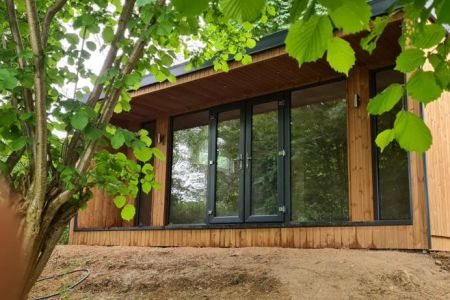
A pottery studio garden room is a purpose-built outdoor space designed to support the art, craft, and business of pottery in a dedicated, controlled environment.
Pottery is one of the oldest creative practices known to humanity, dating back tens of thousands of years, and continues to thrive today as both a creative hobby and a professional discipline.
As more people seek space at home to pursue meaningful creative work, pottery studio garden rooms have become an increasingly popular solution.
Pottery is a form of ceramic art that allows individuals to shape raw clay into functional and decorative objects. From bowls, plates, and storage vessels to sculptural and artistic forms, pottery combines technical skill with creativity. A dedicated pottery studio garden room provides the ideal setting for this process, offering space, organisation, and freedom that is difficult to achieve inside the main home.
Unlike makeshift indoor setups, a garden-based pottery studio allows for permanent equipment placement, improved cleanliness, and a clear separation between creative work and daily life. This separation supports focus, productivity, and long-term enjoyment of the craft.
The History and Significance of Pottery
Pottery is one of the earliest technologies developed by humans, with archaeological evidence suggesting pottery production dates back at least 20,000 years. Early pottery artefacts have been discovered across Asia, the Middle East, Europe, and the Americas, indicating that pottery emerged independently in multiple regions.
Historically, pottery played a vital role in everyday life. Ceramic vessels enabled people to store food and water, cook meals, and transport goods more efficiently. As societies transitioned from nomadic lifestyles to settled agricultural communities, pottery became essential for long-term storage and trade.
Beyond practicality, pottery has always held artistic and cultural significance. Decorative techniques, glazes, and forms evolved alongside cultural identities, with pottery often reflecting spiritual beliefs, social structures, and artistic traditions.
What Is a Pottery Studio Garden Room
A pottery studio garden room is a fully enclosed, insulated outdoor building designed specifically for ceramic work. It provides the space required for clay preparation, forming, drying, glazing, and firing, all within a controlled environment.
Unlike basic garden sheds, pottery studio garden rooms are designed with durability, ventilation, and workflow in mind. They are built to accommodate pottery wheels, workbenches, storage, and often kilns, while maintaining comfort and safety.
These studios can be tailored for hobbyists, professional potters, educators, or small business owners, making them highly adaptable to different levels of practice.
The Pottery Making Process and Space Requirements
Pottery involves several distinct stages, each with specific spatial and environmental needs. The process begins with clay preparation, which requires clean surfaces, storage, and access to water.
Shaping techniques include hand-building, wheel throwing, and slip casting. Hand-building uses simple tools and hands to form organic shapes, while wheel throwing requires a stable surface and space around the wheel for movement and control. Slip casting involves moulds and liquid clay, requiring additional storage and drying space.
After shaping, pieces must dry slowly and evenly. Dedicated shelving and drying racks are essential to prevent warping or cracking. Glazing requires clean work areas and careful handling, while kiln firing demands proper ventilation, heat resistance, and safety planning.
Why Choose a Garden Room for a Pottery Studio
Pottery can be messy, time-consuming, and equipment-heavy, making it difficult to practise comfortably inside the main home. A garden room solves these challenges by providing a self-contained environment designed specifically for ceramic work.
One of the biggest advantages is convenience. With a pottery studio garden room, artists can work at any time without worrying about setup and cleanup in shared household spaces.
Having a dedicated studio also supports consistency. Equipment can remain set up, works in progress can be left undisturbed, and materials can be stored safely and efficiently.
Creative Freedom and Focus
A dedicated pottery studio garden room offers complete creative freedom. Without time restrictions or shared space limitations, potters can experiment with new techniques, forms, and glazes at their own pace.
This freedom encourages artistic growth and exploration. Artists can revisit pieces, refine techniques, and develop a personal style without external pressures.
The physical separation from the main home also creates a mental boundary that supports focus and creative immersion.
Designing the Ideal Pottery Studio Layout
The internal layout of a pottery studio garden room should support an efficient workflow. Clear zones for clay preparation, forming, drying, glazing, and storage help streamline the creative process.
Workbenches should be positioned to allow comfortable movement, while pottery wheels require stable flooring and adequate clearance. Shelving should be strong enough to support drying pieces and finished work.
Storage is essential for clay, tools, glazes, and finished pieces. Well-organised storage reduces clutter and improves productivity.
Ventilation and Air Quality
Ventilation is a critical consideration in any pottery studio. Clay dust, glaze materials, and kiln fumes require effective air circulation to maintain a healthy working environment.
Opening windows and vents allow fresh air flow, while mechanical ventilation systems can provide consistent air exchange without compromising insulation.
Proper ventilation supports both safety and comfort, particularly during glazing and firing stages.
Flooring and Surfaces
Pottery studios require durable, easy-to-clean flooring. Clay spills, water, and glaze materials are part of everyday work, so surfaces must withstand moisture and wear.
Non-slip, hard-wearing floors make cleaning easier and improve safety. Work surfaces should be robust and resistant to staining.
Wall finishes should also be chosen for practicality, allowing for easy maintenance and long-term durability.
Temperature Control and Insulation
Fully insulated pottery studio garden rooms offer year-round usability. Insulation helps maintain consistent temperatures, protecting materials and equipment from extreme conditions.
Stable temperatures are particularly important for clay drying and glaze application, as rapid temperature changes can cause cracking or defects.
Optional heating systems allow comfortable working conditions during colder months, ensuring the studio remains productive throughout the year.
Electrical and Kiln Considerations
Many pottery studios require enhanced electrical installations to support wheels, lighting, ventilation, and kilns. Electrical planning should be considered early in the design process.
Kilns generate significant heat and require dedicated circuits and safe placement. Adequate clearance, ventilation, and heat-resistant materials are essential for safe operation.
A professionally designed garden room ensures these technical requirements are met safely and efficiently.
Pottery Studio Garden Rooms for Hobbyists
For hobbyists, a pottery studio garden room provides a peaceful retreat dedicated to creativity. It offers space to practise without interruptions and supports regular engagement with the craft.
Pottery can be meditative and therapeutic, promoting relaxation and stress reduction. Having a personal studio encourages consistent practice and deeper creative exploration.
Hobbyists benefit from the flexibility and comfort of a dedicated space that evolves alongside their skills.
Pottery Studio Garden Rooms for Businesses
For professional potters and small business owners, a pottery studio garden room can serve as a foundation for income generation. It provides a professional environment for production, teaching, and client engagement.
Studios can be used to host workshops, classes, or demonstrations, creating additional revenue streams. Selling handmade pottery online or at markets becomes more manageable with a dedicated workspace.
Running a pottery business from a garden studio reduces overheads compared to renting commercial premises while maintaining professional standards.
Teaching and Community Building
A pottery studio garden room can also become a hub for learning and collaboration. Hosting small classes or workshops helps build community connections and share skills with others.
Teaching pottery can be a rewarding way to supplement income while fostering creativity in others. A dedicated studio space enhances credibility and provides a comfortable learning environment.
Community engagement strengthens the cultural and social value of pottery practice.
The Cultural and Social Benefits of Pottery
Pottery has contributed to society for thousands of years, offering practical, artistic, and cultural value. Ceramic artefacts preserve historical knowledge and provide insight into past civilisations.
As an art form, pottery allows individuals to express identity, creativity, and tradition. It bridges functionality and aesthetics in a way few crafts can.
Pottery also supports wellbeing. The tactile nature of clay, repetitive movements, and focused attention contribute to mental relaxation and emotional balance.
Planning Permission and Practical Considerations
In many cases, pottery studio garden rooms can be installed under permitted development rights, provided they meet size and height guidelines and are used as ancillary spaces.
Positioning the studio should consider access, drainage, and proximity to utilities. Professional installation ensures structural integrity and long-term performance.
Early planning helps avoid disruption and ensures the studio meets both creative and practical needs.
Long-Term Value and Flexibility
A pottery studio garden room is a long-term investment that offers flexibility beyond pottery alone. If needs change, the space can be repurposed as a studio, workshop, or home office.
This adaptability adds value to the property and ensures the structure remains useful over time.
For creatives, it represents both a lifestyle enhancement and a practical asset.
Conclusion
Pottery studio garden rooms provide an ideal environment for one of the world’s oldest and most meaningful crafts. By offering space, comfort, and creative freedom, they support both artistic growth and professional development.
Whether used for personal enjoyment, teaching, or business, a purpose-built pottery studio garden room enables potters to work efficiently, safely, and comfortably. It honours a timeless craft while meeting the demands of modern creative life.