Green Retreats Garden Rooms | Creating Calm, Nature-Focused Spaces at Home
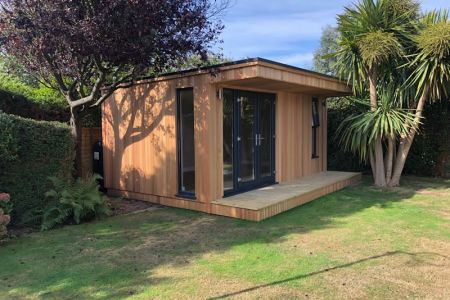
Green retreats garden rooms represent a growing movement toward slower, more mindful living.
In a world increasingly dominated by screens, schedules, and constant digital connection, many homeowners are seeking ways to reconnect with nature and create space for calm, reflection, and restoration.
A green retreat garden room offers exactly that: a dedicated sanctuary within the garden that blends comfort, sustainability, and wellbeing.
Unlike traditional outdoor seating areas or basic garden buildings, green retreats garden rooms are designed with purpose. They are spaces that encourage relaxation, balance, and a deeper connection to the natural environment, while still offering the practicality and comfort of a fully insulated, usable structure. Whether used for quiet contemplation, yoga, reading, creative pursuits, or simply escaping the noise of everyday life, these garden rooms provide a powerful antidote to modern stress.
What Are Green Retreats Garden Rooms?
A green retreat garden room is a standalone structure positioned within the garden and designed specifically to promote wellbeing and harmony with nature. These rooms are typically constructed using natural or eco-conscious materials and are positioned to maximise views, daylight, and a sense of openness.
Unlike purely functional garden rooms such as offices or workshops, green retreats prioritise atmosphere and experience. The focus is on creating a calming environment that supports mental clarity, emotional balance, and physical relaxation. This may involve large glazed areas that frame the garden, natural finishes that soften the interior, and thoughtful design choices that reduce visual clutter.
Green retreat garden rooms can be simple and understated or more refined and luxurious, depending on personal preference. What unites them is their intention: to create a peaceful place where nature and comfort coexist.
The Growing Desire for Nature-Focused Living
As urbanisation increases and lifestyles become more fast-paced, access to nature has become more limited for many people. Even those with gardens often find that they do not fully use them as restorative spaces, instead seeing them as areas for maintenance rather than relaxation.
Green retreats garden rooms address this imbalance by reframing the garden as a place of wellbeing. They create a focal point that invites regular use, encouraging homeowners to step outside, slow down, and engage with their surroundings.
This shift reflects a broader understanding of the importance of mental health and environmental connection. Research consistently shows that time spent in natural settings can reduce stress, improve mood, and enhance overall quality of life. A green retreat garden room makes these benefits accessible every day.
Mental and Emotional Benefits of a Green Retreat
One of the most powerful benefits of green retreats garden rooms is their ability to support mental and emotional wellbeing. Spending time in a calm, natural environment helps reduce stress and anxiety by lowering cortisol levels and promoting relaxation.
The sensory experience plays a significant role. Natural light filtering through trees, gentle movement of leaves, birdsong, and fresh air all contribute to a calming atmosphere that encourages the nervous system to slow down. When combined with a comfortable, sheltered space, these elements create an environment ideal for reflection and rest.
For many people, a green retreat garden room becomes a place to practise mindfulness, meditation, or breathing exercises. Others simply use it as a quiet escape from daily pressures, where they can read, think, or sit in stillness without interruption.
Physical Wellbeing and the Role of Nature
Beyond mental health, green retreats garden rooms also support physical wellbeing. Being closer to nature encourages healthier habits, such as gentle movement, stretching, or yoga. Even passive exposure to greenery has been shown to support cardiovascular health and reduce blood pressure.
Access to natural light helps regulate circadian rhythms, improving sleep quality and energy levels. Fresh air circulation supports respiratory health, while a peaceful environment encourages deeper relaxation and recovery.
For those who enjoy gardening, a green retreat garden room can serve as a base for engaging with plants and outdoor activity, offering shelter, storage, and a comfortable place to rest between tasks.
Year-Round Use and Comfort
One of the key advantages of a garden room over open outdoor spaces is year-round usability. Green retreats garden rooms are fully insulated and weather-protected, allowing them to be used comfortably in all seasons.
During colder months, insulation and heating ensure the space remains warm and inviting, while large windows maintain a visual connection to the garden. In warmer months, ventilation and shading help keep the interior cool, creating a pleasant retreat even on hot days.
This all-season functionality means that the benefits of nature are never limited by weather, encouraging consistent use and making the garden room an integral part of daily life.
Design Principles for Green Retreats Garden Rooms
The design of a green retreat garden room is central to its effectiveness. Every element should contribute to a sense of calm, balance, and connection with the surrounding landscape.
Location is one of the most important considerations. Ideally, the garden room should be positioned to capture attractive views, natural light, and a sense of seclusion. Even in smaller gardens, thoughtful placement can create a feeling of escape.
Orientation also plays a role. South-facing rooms benefit from abundant daylight, while east-facing designs capture gentle morning light that is ideal for meditation or yoga. West-facing rooms offer warm evening light, perfect for unwinding at the end of the day.
Materials That Support a Natural Aesthetic
Material choice has a significant impact on the atmosphere of a green retreat garden room. Natural materials such as timber, stone, and neutral finishes help create warmth and visual softness.
Wood is particularly popular due to its organic appearance and calming effect. When sourced responsibly and treated correctly, it offers durability while reinforcing the connection to nature.
Glazing is another essential feature. Large windows, sliding doors, or full-height glass panels allow the garden to become part of the interior experience. This visual continuity enhances the feeling of openness and reduces the boundary between indoors and outdoors.
Eco-conscious materials and energy-efficient construction methods further support the ethos of green retreats, aligning the structure with sustainable living values.
Internal Layout and Spatial Flow
The internal layout of a green retreat garden room should feel open and uncluttered. Minimalist design principles work particularly well, allowing the mind to rest and focus.
Furniture placement should encourage relaxation rather than productivity. Soft seating, floor cushions, or yoga mats can replace desks and workstations, depending on how the space is used.
Clear sightlines to the garden help maintain a constant visual connection with nature, while thoughtful zoning allows the room to support multiple activities without feeling crowded.
Lighting and Atmosphere
Lighting plays a vital role in creating a restorative environment. Natural daylight should be maximised wherever possible, reducing reliance on artificial lighting and supporting wellbeing.
For evenings and low-light conditions, soft, warm lighting is preferable. Indirect lighting, dimmable fixtures, and subtle accent lights help maintain a calm atmosphere without harsh contrasts.
Candle-style lighting or low-level lamps can further enhance the sense of tranquillity, making the space inviting at any time of day.
Furnishings and Natural Decor
The furnishings of a green retreat garden room should prioritise comfort and sensory appeal. Soft textures, natural fabrics, and earthy colour palettes contribute to a feeling of ease.
Plants play a central role in reinforcing the retreat concept. Indoor plants not only enhance visual appeal but also improve air quality and reinforce the connection to nature. Even a few carefully chosen plants can transform the feel of the space.
Decor should be minimal and meaningful. Objects that evoke calm, such as natural artwork, stones, or handmade items, can add character without overwhelming the senses.
Privacy and Seclusion
Privacy is a key benefit of green retreats garden rooms. Unlike public parks or shared outdoor spaces, a garden room offers a personal sanctuary where individuals can fully relax without interruption.
Strategic placement, landscaping, and screening can enhance this sense of seclusion, ensuring the space feels protected and intimate. This privacy allows for deeper relaxation and more honest self-reflection.
Versatile Uses for Green Retreats Garden Rooms
One of the strengths of green retreats garden rooms is their versatility. While relaxation is central, the space can be adapted to support a wide range of wellbeing-focused activities.
Many people use their garden room for meditation, yoga, or mindfulness practices. Others create reading nooks, creative studios, or simply a quiet place to think.
The flexibility of the space means it can evolve over time, adapting to changing needs without losing its core purpose as a place of calm.
Adding Value to Home and Lifestyle
A green retreat garden room adds value in more ways than one. From a lifestyle perspective, it enhances daily wellbeing by providing a reliable escape from stress and distraction.
From a property perspective, a well-designed garden room adds functional living space that is attractive to future buyers. As interest in wellbeing and sustainable living grows, these spaces are increasingly seen as desirable features.
The long-term value lies not only in financial terms but in the improved quality of life that comes from having a dedicated place to rest and recharge.
Creating a Personal Sanctuary
Perhaps the most important aspect of green retreats garden rooms is their personal nature. Each retreat reflects the individual who uses it, shaped by their preferences, routines, and needs.
By investing time and thought into design, layout, and atmosphere, homeowners can create a sanctuary that truly supports their wellbeing and encourages regular use.
Whether used daily or as an occasional escape, the presence of a green retreat garden room transforms the relationship between home, garden, and self.
Conclusion
Green retreats garden rooms offer a powerful response to the pressures of modern life. By combining the restorative qualities of nature with the comfort and usability of a purpose-built structure, they create a space dedicated to calm, balance, and renewal.
From reducing stress and supporting physical health to fostering mindfulness and creativity, the benefits of a green retreats garden room are both immediate and long-lasting. Thoughtful design, natural materials, and a focus on wellbeing ensure that the space remains a cherished part of the home.
A green retreats garden room is more than a garden feature. It is an investment in health, happiness, and a deeper connection to the natural world, offering a peaceful sanctuary just steps from the door.