Hobby Garden Rooms | Dedicated Spaces for Creativity, Relaxation, and Leisure
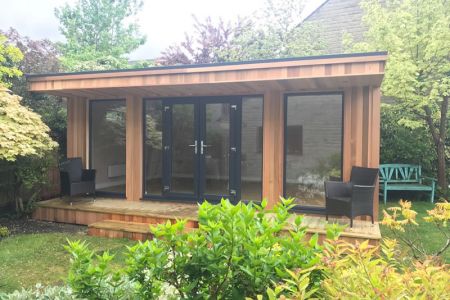
Hobby garden rooms have become one of the most versatile and rewarding additions to modern homes.
As lifestyles become busier and living spaces more multi-functional, many homeowners are seeking a dedicated place where they can fully immerse themselves in personal interests without interruption.
A hobby garden room provides a purpose-built environment that allows creativity, relaxation, and enjoyment to flourish, all while remaining separate from the main house.
Unlike spare bedrooms or shared living areas, a hobby garden room is designed specifically around the activities it supports. Whether the hobby involves creativity, craftsmanship, relaxation, or recreation, having a dedicated space helps transform an interest into a meaningful and consistent part of everyday life. These garden rooms are not simply extra space; they are lifestyle-enhancing environments that encourage focus, wellbeing, and personal fulfilment.
What Are Hobby Garden Rooms?
A hobby garden room is a standalone structure located within the garden and designed to support leisure activities, creative pursuits, or personal interests. Unlike basic sheds or temporary buildings, hobby garden rooms are typically fully insulated, weather-resistant, and suitable for year-round use.
They are constructed to a much higher standard than traditional garden storage buildings, often including proper foundations, insulated walls and roofs, double-glazed windows, and electrical installations. This allows them to function as comfortable, practical spaces regardless of the season.
The defining feature of a hobby garden room is its adaptability. The internal layout, finishes, and features can be tailored entirely to the hobby it supports, making it a highly personal and flexible addition to the home.
Why Hobby Garden Rooms Are Growing in Popularity
The growing popularity of hobby garden rooms reflects broader changes in how people use their homes. Many households now combine work, leisure, and family life within the same space, which can make it difficult to fully relax or concentrate on personal interests.
A hobby garden room solves this challenge by creating a clear boundary between everyday responsibilities and personal enjoyment. Stepping into the garden room signals a mental shift, allowing individuals to focus fully on their chosen activity.
In addition, rising interest in wellbeing, creativity, and self-expression has encouraged people to invest in spaces that support mental health and personal growth. A hobby garden room provides a dedicated environment where interests can be explored without compromise.
The Benefits of Having a Hobby Garden Room
One of the most significant benefits of a hobby garden room is freedom from interruption. Inside the main house, hobbies often compete with family activities, noise, and distractions. A separate garden room offers peace and privacy, allowing for deeper focus and enjoyment.
Another major advantage is organisation. Many hobbies require equipment, materials, or tools that are difficult to store neatly in shared spaces. A hobby garden room allows everything to be kept in one place, ready for use, without constant packing away.
From a wellbeing perspective, hobby garden rooms support relaxation and stress relief. Engaging in enjoyable activities has been shown to improve mood, reduce anxiety, and increase overall life satisfaction. Having a space dedicated to these activities makes it easier to prioritise them.
There are also long-term lifestyle benefits. A well-designed hobby garden room encourages consistency, helping hobbies become regular habits rather than occasional indulgences.
Popular Uses for Hobby Garden Rooms
Hobby garden rooms can be adapted to suit an almost endless range of interests. Their flexibility makes them suitable for both creative and non-creative pursuits.
Creative hobbies such as painting, drawing, crafting, sewing, knitting, and sculpture benefit greatly from having a dedicated space. These activities often require good lighting, storage, and freedom to make a mess, all of which are easier to manage in a separate room.
Woodworking, model building, and DIY projects are also popular uses. A hobby garden room provides a safe, organised environment where tools and materials can be stored securely and used without impacting the main house.
For non-creative hobbies, the space can be equally valuable. Reading rooms, music listening spaces, board game rooms, and personal libraries are all common uses. Some people choose to create gaming rooms or areas dedicated to collecting and displaying memorabilia.
Hobby garden rooms are also ideal for fitness and wellness activities. Yoga, pilates, meditation, and light exercise all benefit from a calm, private environment that feels separate from daily routines.
Designing a Hobby Garden Room Around Your Interests
The success of a hobby garden room depends largely on thoughtful design. The space should be planned around how it will be used, ensuring it supports the hobby both practically and emotionally.
Layout is a key consideration. The room should provide enough open space for movement while allowing for work surfaces, seating, or equipment. For creative hobbies, worktables and storage should be positioned for ease of use.
Natural light is particularly important for many hobbies. Windows and glazed doors help create a bright, inspiring environment and reduce reliance on artificial lighting. Where privacy is a concern, window placement and landscaping can help maintain seclusion.
Internal finishes should be chosen to suit the activity. Durable flooring works well for craft and workshop spaces, while softer finishes may be more appropriate for relaxation or reading rooms.
Lighting and Atmosphere
Lighting plays a crucial role in hobby garden rooms. Task-based hobbies require clear, even lighting to reduce eye strain and improve accuracy.
Combining natural light with adjustable artificial lighting creates flexibility. Bright task lighting can be used during active work, while softer ambient lighting helps create a relaxing atmosphere when the space is used for leisure.
The overall atmosphere should encourage enjoyment and focus. Colour schemes, textures, and materials all contribute to how the space feels and how often it is used.
Heating, Insulation, and Year-Round Use
One of the main advantages of a garden room over a shed or summerhouse is year-round usability. Proper insulation ensures the space remains comfortable regardless of the weather.
Heating options allow the hobby garden room to be used during colder months, while ventilation helps regulate temperature and air quality during warmer periods.
This year-round comfort makes it easier to maintain hobbies as regular habits, rather than seasonal activities.
Storage and Organisation
Effective storage is essential in a hobby garden room. Tools, materials, and equipment should be organised in a way that supports efficient use of the space.
Built-in shelving, cupboards, and storage units help keep the room tidy and functional. Good organisation reduces setup time and makes it more appealing to spend time in the space.
For hobbies that evolve over time, flexible storage solutions allow the room to adapt without major changes.
Privacy and Separation from the Main Home
Privacy is one of the most valued aspects of hobby garden rooms. The physical separation from the main house creates a sense of retreat that enhances relaxation and focus.
This separation also benefits the rest of the household. Noise, mess, and equipment remain contained within the garden room, reducing disruption and maintaining harmony.
For many homeowners, this balance is what makes a hobby garden room such a worthwhile investment.
Using a Hobby Garden Room as a Multi-Purpose Space
Although designed around a primary interest, hobby garden rooms are often used for multiple activities. A crafting room may also become a quiet reading space, or a music room may double as a relaxation area.
This flexibility ensures the room remains useful even as interests change over time. The ability to adapt the space adds long-term value and relevance.
Wellbeing and Personal Fulfilment
Engaging in hobbies has a positive impact on mental health, creativity, and overall happiness. A hobby garden room reinforces this by making it easier to prioritise personal interests.
Having a space that is entirely your own encourages regular use and deeper engagement. Over time, this contributes to improved wellbeing, confidence, and life satisfaction.
The presence of a hobby garden room often changes how people view their garden, turning it into an extension of personal living space rather than simply an outdoor area.
Adding Value to Your Home
Hobby garden rooms add value in both practical and lifestyle terms. They create usable space without altering the main house and are increasingly attractive to future buyers.
As flexible living becomes more desirable, garden rooms that support hobbies and wellbeing are seen as premium features that enhance a property’s appeal.
Even for homeowners with no intention of selling, the daily enjoyment and improved quality of life make the investment worthwhile.
Conclusion
Hobby garden rooms offer a dedicated, flexible, and inspiring space for pursuing personal interests. By providing separation from the main home, they allow hobbies to flourish without compromise.
Whether used for creative work, relaxation, fitness, or leisure, a well-designed hobby garden room enhances wellbeing, organisation, and enjoyment of everyday life.
Investing in a hobby garden room is an investment in personal fulfilment. It creates space not just for activities, but for creativity, calm, and self-expression, making it one of the most rewarding additions a homeowner can make.