Summerhouse Garden Rooms | Stylish Garden Spaces for Relaxation and Entertaining
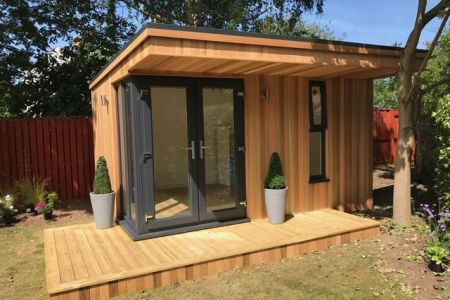
Summerhouse garden rooms are versatile outdoor structures designed to enhance the way homeowners use and enjoy their gardens.
Traditionally associated with relaxation during warmer months, modern summerhouse garden rooms have evolved into highly functional spaces that can be enjoyed throughout much of the year.
They offer a seamless blend of indoor comfort and outdoor living, creating a welcoming retreat just steps away from the main house.
A summerhouse garden room is typically a standalone building positioned within a garden, designed to provide a light-filled, comfortable environment for leisure, entertaining, or creative pursuits. While early summerhouses were often simple wooden shelters, today’s designs range from classic timber styles to contemporary glazed garden rooms with insulation, electricity, and premium finishes.
By creating a dedicated space away from the main home, summerhouse garden rooms allow homeowners to slow down, reconnect with nature, and make better use of outdoor space without sacrificing comfort.
What Is a Summerhouse Garden Room
A summerhouse garden room is a purpose-built garden structure designed primarily for leisure and lifestyle use. It is typically positioned to take advantage of sunlight and garden views, making it an inviting place to relax, socialise, or unwind.
Unlike basic garden sheds, summerhouse garden rooms are designed for people rather than storage. They feature windows, doors, and internal layouts that prioritise comfort, light, and usability.
Many modern summerhouse garden rooms are insulated and fitted with electricity, allowing them to be used beyond the height of summer and adapted for a wide range of uses.
The Evolution of the Modern Summerhouse
Historically, summerhouses were simple garden shelters used for shade and occasional seating. Over time, demand for more usable outdoor living space has transformed the concept.
Today’s summerhouse garden rooms are closer in quality to garden studios or outdoor lounges. Improved materials, insulation, and glazing have turned them into multi-season spaces rather than purely summer retreats.
This evolution reflects changing lifestyles, where outdoor living and flexible home spaces are increasingly valued.
Making the Most of Your Outdoor Space
One of the biggest advantages of a summerhouse garden room is its ability to unlock the potential of underused garden areas. Many gardens have corners or open spaces that are rarely enjoyed.
A well-positioned summerhouse transforms these areas into destinations, encouraging more time outdoors and better use of available space.
By creating a focal point in the garden, a summerhouse garden room enhances both functionality and visual appeal.
Uses for a Summerhouse Garden Room
Summerhouse garden rooms are extremely versatile and can be adapted to suit a wide range of lifestyles.
They are commonly used as relaxation spaces, providing a quiet place to read, listen to music, or enjoy a morning coffee while overlooking the garden.
Many homeowners use summerhouses as entertainment spaces, hosting friends and family for drinks, meals, or informal gatherings.
Others choose to use them as hobby rooms, creative studios, or casual workspaces where a change of scenery improves focus and wellbeing.
Entertaining in a Summerhouse Garden Room
Summerhouse garden rooms are ideal for entertaining. Their separation from the main house creates a relaxed, informal atmosphere that guests enjoy.
Comfortable seating, dining furniture, and optional bar or kitchenette areas make them perfect for hosting.
Large windows and doors can be opened during warm weather, blurring the line between indoor and outdoor living.
Relaxation and Wellbeing Benefits
Spending time outdoors has proven benefits for mental wellbeing, and a summerhouse garden room encourages this connection with nature.
The calm, private environment provides an ideal setting for relaxation, mindfulness, or simply escaping daily pressures.
Natural light, fresh air, and garden views all contribute to reduced stress and improved mood.
Summerhouse Garden Rooms as Work or Study Spaces
Many people now use summerhouse garden rooms as informal home offices or study spaces, particularly during warmer months.
The physical separation from the main house helps create a better work-life balance, reducing distractions.
Natural light and a garden setting can also boost creativity and productivity compared to traditional indoor offices.
Design Styles and Aesthetics
Summerhouse garden rooms are available in a wide range of styles to suit different tastes and properties.
Traditional designs often feature timber cladding, pitched roofs, and symmetrical windows that blend seamlessly with classic gardens.
Modern summerhouses may incorporate clean lines, flat roofs, and large glazed areas for a more contemporary look.
The chosen style should complement both the main house and the surrounding landscape.
Choosing the Right Size and Layout
The size of a summerhouse garden room should be determined by its intended use and available garden space.
Smaller summerhouses are ideal for quiet relaxation or solo use, while larger models can accommodate seating areas, dining furniture, or multiple zones.
Internal layout planning ensures the space feels open and functional rather than cramped.
Positioning Your Summerhouse in the Garden
Location plays a key role in how enjoyable a summerhouse garden room will be.
Positioning the structure to receive good natural light makes it more inviting and usable throughout the day.
Shelter from strong winds and thoughtful orientation help create a comfortable microclimate.
Privacy should also be considered, using planting or fencing where necessary.
Glazing and Natural Light
One of the defining features of a summerhouse garden room is its use of windows and doors to maximise daylight.
Large glazed areas create a bright, uplifting environment and strengthen the connection between indoor space and garden.
Glazing choices can be tailored to balance light, privacy, and thermal performance.
Insulation and Seasonal Use
While summerhouses are traditionally associated with warm weather, many modern summerhouse garden rooms include insulation.
Insulation extends the usable season, allowing the space to remain comfortable during spring and autumn.
Optional heating can further enhance usability, making the summerhouse a valuable year-round asset.
Furnishing a Summerhouse Garden Room
Furnishing plays a major role in how a summerhouse garden room feels and functions.
Comfortable seating is essential, whether for relaxation or entertaining.
Tables, storage units, and soft furnishings help create a welcoming atmosphere.
Plants, artwork, and lighting can be used to personalise the space and reflect individual style.
Verandas and Decking Areas
Many summerhouse garden rooms are complemented by verandas or decking areas.
These outdoor extensions provide additional seating space and enhance the overall experience.
A veranda creates a shaded area for hot days, while decking offers a seamless transition between garden and building.
Summerhouse Garden Rooms for Families
For families, a summerhouse garden room can become a shared social space.
It can be used for games, relaxation, or spending quality time together away from screens.
This shared use helps create lasting memories and encourages outdoor living.
Adding Value to Your Property
A well-designed summerhouse garden room can add value to a property.
It increases usable living space without the disruption of a house extension.
Buyers often see garden rooms as desirable lifestyle features, particularly when they are well-built and versatile.
Planning Permission and Practical Considerations
In many cases, summerhouse garden rooms can be installed under permitted development rights, provided they meet size and height requirements.
Professional advice ensures compliance with local regulations and best placement within the garden.
Quality installation is essential for longevity, safety, and performance.
Maintenance and Longevity
Modern summerhouse garden rooms are designed for durability and ease of maintenance.
Quality materials and finishes help protect the structure from weathering.
Regular care ensures the summerhouse remains attractive and functional for many years.
Why Summerhouse Garden Rooms Remain Popular
The enduring popularity of summerhouse garden rooms lies in their simplicity and adaptability.
They provide a balance between indoor comfort and outdoor enjoyment.
As lifestyles continue to shift towards flexible living and outdoor wellbeing, summerhouses remain a timeless addition.
Conclusion
Summerhouse garden rooms are a versatile, attractive, and enjoyable way to enhance outdoor living. They provide a dedicated space for relaxation, entertaining, work, or creative pursuits while strengthening the connection between home and garden.
Whether used as a quiet retreat, a social hub, or a flexible lifestyle space, a summerhouse garden room offers lasting benefits. It transforms the garden into an extension of the home and creates a place where memories can be made year after year.