Sensory Room Garden Rooms | Calm, Controlled Spaces for Sensory Support
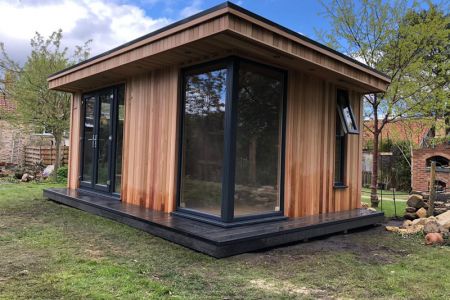
Sensory room garden rooms are purpose-built outdoor spaces designed to provide a calm, safe, and highly controlled environment for individuals who experience difficulties processing sensory input.
These specialist garden rooms are increasingly used in homes, schools, therapy settings, and community spaces to support emotional regulation, relaxation, learning, and wellbeing.
A sensory room garden room is tailored to individuals who may be sensitive to sound, light, texture, movement, or other sensory stimuli.
This includes people with autism spectrum disorder, attention deficit hyperactivity disorder, sensory processing disorder, anxiety, learning difficulties, neurological conditions, or mental health challenges. By creating a dedicated sensory environment away from everyday distractions, garden room sensory spaces offer a powerful therapeutic and supportive solution.
Unlike temporary indoor spaces, a garden-based sensory room provides separation from the main building, helping users feel secure, focused, and less overwhelmed. The controlled environment allows sensory experiences to be introduced gradually and safely, supporting emotional balance and self-regulation.
What Is a Sensory Room Garden Room
A sensory room garden room is a fully insulated, standalone structure installed within a garden or outdoor area and designed specifically for sensory engagement and regulation. These rooms are carefully planned to control light, sound, temperature, and tactile input.
The structure itself is designed for comfort, safety, and durability. Inside, the space can be equipped with a range of sensory tools and features chosen to meet individual needs, such as lighting effects, tactile surfaces, sound systems, or calming seating.
Because the room is purpose-built, it offers consistency and reliability, which is particularly important for individuals who benefit from routine and predictability.
Who Benefits From a Sensory Room Garden Room
Sensory room garden rooms are used by a wide range of individuals across different ages and needs. Their flexibility allows them to be adapted for both therapeutic and everyday use.
Individuals with autism spectrum disorder often experience sensory overload or sensory-seeking behaviours. A sensory garden room provides a quiet, predictable environment where sensory input can be controlled, helping reduce anxiety and improve emotional regulation.
People with sensory processing disorder benefit from spaces where they can explore sensory stimuli at their own pace. Sensory rooms allow controlled exposure to textures, sounds, and visuals that help develop coping strategies and sensory integration.
Individuals with attention deficit hyperactivity disorder may struggle with focus and sensory regulation. Sensory rooms can help reduce overstimulation, promote calm, and improve concentration.
Those with anxiety or mental health conditions often find sensory rooms helpful for stress reduction. Gentle lighting, calming sounds, and soothing textures can support relaxation and emotional balance.
Children with learning difficulties can benefit from sensory environments that support focus, engagement, and emotional safety. Sensory garden rooms can enhance learning by reducing distractions and supporting individual needs.
The Purpose of a Sensory Room Garden Room
The primary goal of a sensory room garden room is to create a non-threatening, calming environment that supports self-regulation and wellbeing. These spaces allow individuals to retreat from overwhelming environments and regain emotional balance.
Sensory rooms can be used proactively as part of daily routines or reactively during moments of distress. This flexibility makes them valuable tools in both therapeutic and educational settings.
By offering controlled sensory experiences, these rooms support the development of coping strategies, emotional awareness, and independence.
Common Settings for Sensory Room Garden Rooms
Sensory room garden rooms are used in a wide range of environments. In residential settings, they provide families with a dedicated space to support children or adults with sensory needs.
In schools, sensory garden rooms are often used as quiet spaces for regulation, SEN support, or small group learning. They offer an alternative to busy classrooms and corridors.
Healthcare and therapy settings use sensory rooms as part of treatment and support programmes. The controlled environment allows therapists to tailor sessions to individual needs.
Community centres and care facilities also use sensory garden rooms to provide inclusive, supportive spaces for a wide range of users.
Designing a Sensory Room Garden Room
Designing an effective sensory room garden room requires careful consideration of safety, comfort, and individual sensory profiles. Every element of the space should support calm and engagement.
Safety is the most important factor. The room should be free from sharp edges, hazards, and unstable equipment. All fixtures and fittings should be robust and suitable for the intended users.
The sensory stimuli within the room should be carefully selected. Some individuals respond best to visual input such as soft lighting or projections, while others benefit from tactile experiences or gentle sounds.
Providing a range of sensory options allows the space to adapt to changing needs and preferences.
Sensory Equipment and Features
The equipment used in a sensory room garden room is chosen based on the needs of the users. Common features include soft lighting systems, colour-changing lights, bubble tubes, fibre optic strands, and projection systems.
Tactile elements such as textured panels, soft mats, cushions, or weighted blankets provide calming physical input. These features can help reduce anxiety and support grounding.
Sound systems may be used to play calming music, nature sounds, or white noise. Volume control is essential to prevent overstimulation.
All equipment should be durable, easy to clean, and suitable for regular use.
Layout and Space Planning
The layout of a sensory room garden room should encourage exploration while maintaining a sense of safety and control. Clear pathways and open areas allow free movement without clutter.
Different zones can be created within the room, such as quiet corners, tactile areas, or interactive zones. This allows users to choose the level of stimulation they are comfortable with.
Seating options should be varied, including bean bags, soft chairs, or therapy balls, to support different sensory preferences.
Lighting and Colour Choices
Lighting plays a crucial role in sensory room design. Harsh or flickering lights should be avoided, as they can cause distress.
Soft, adjustable lighting allows the environment to be adapted to individual needs. Colour-changing lights can be used therapeutically, while neutral tones support calm.
Wall and floor colours should be chosen carefully. Muted, natural colours often help reduce sensory overload and create a soothing atmosphere.
Temperature and Acoustic Control
Sensory room garden rooms are fully insulated to maintain a comfortable internal temperature throughout the year. Consistent temperature helps users feel safe and relaxed.
Acoustic control is equally important. Insulated walls and doors reduce external noise, preventing sudden sounds from causing distress.
This quiet environment supports emotional regulation and focus.
The Origins of Sensory Rooms
The concept of sensory rooms originates from sensory integration therapy developed in the 1970s by occupational therapist and psychologist Dr A. Jean Ayres. Her work focused on helping individuals process sensory information more effectively.
Early sensory environments were used in therapeutic settings to provide controlled sensory experiences. Over time, these spaces evolved into modern sensory rooms used in a wide range of settings.
Advances in technology and understanding of sensory processing have led to more sophisticated and accessible sensory room designs.
The Growing Popularity of Sensory Room Garden Rooms
Sensory room garden rooms have become increasingly popular as awareness of sensory processing and mental wellbeing grows. More families, schools, and organisations recognise the value of dedicated sensory spaces.
The garden room format offers flexibility, privacy, and ease of installation, making it an attractive option compared to internal renovations.
As inclusive design becomes more widely adopted, sensory garden rooms are seen as essential rather than optional additions.
Benefits for Families and Caregivers
For families, a sensory room garden room provides a reliable space to support emotional regulation at home. This can reduce stress for both individuals and caregivers.
Having a dedicated sensory space allows routines to be established, helping individuals feel secure and supported.
Caregivers benefit from knowing there is a safe, controlled environment available when sensory needs arise.
Long-Term Flexibility and Adaptability
Sensory room garden rooms are highly adaptable. As needs change over time, the space can be updated with different equipment or repurposed for other supportive uses.
This flexibility ensures the investment remains valuable over the long term.
The garden room structure itself can also be used for other wellbeing activities if required.
Planning Permission and Practical Considerations
In many cases, sensory room garden rooms can be installed under permitted development rights, provided they meet size and height guidelines and are used as ancillary spaces.
Professional installation ensures the structure is safe, insulated, and suitable for specialist use.
Careful positioning within the garden helps maximise privacy and accessibility.
Conclusion
Sensory room garden rooms provide a powerful, flexible solution for individuals who experience sensory processing challenges. By creating a safe, calming, and controlled environment, these spaces support emotional regulation, wellbeing, and learning.
Whether used in homes, schools, or care settings, a purpose-built sensory room garden room offers long-term benefits for individuals, families, and organisations. It represents a meaningful investment in inclusion, wellbeing, and quality of life.