Model Railway Garden Rooms | The Ultimate Space for Building and Displaying Layouts
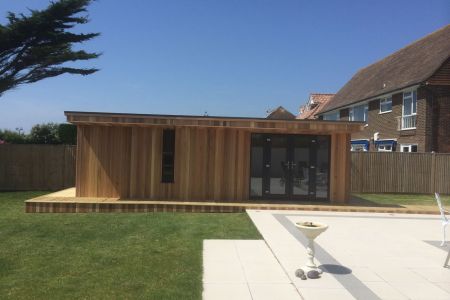
Model railways have been a much-loved hobby for well over a century, captivating enthusiasts of all ages with their ability to recreate detailed miniature worlds.
From steam-era branch lines and bustling city stations to modern freight yards and countryside scenes, model railways offer a unique combination of creativity, engineering, storytelling, and nostalgia.
As layouts grow in size and complexity, many hobbyists find that spare rooms, lofts, or garages are no longer suitable. This has led to the growing popularity of model railway garden rooms — purpose-built outdoor structures that provide the ideal environment for designing, building, operating, and displaying railway layouts.
In this article, we explore the enduring appeal of model railways, why a garden room is the perfect solution for serious modellers, how to design the ideal model railway garden room, and what to consider when creating a dedicated space that can be enjoyed for decades.
The Enduring Joy of Model Railways
Model railways combine multiple interests into a single, deeply rewarding pastime. They blend craftsmanship, problem-solving, artistic expression, and technical knowledge, allowing enthusiasts to build and operate miniature transport networks that reflect real or imagined worlds.
For many, the hobby begins in childhood with a simple train set circling a track on the living room floor. Over time, it often evolves into a lifelong passion, with layouts becoming increasingly detailed, realistic, and ambitious.
Model railways allow enthusiasts to:
• Recreate real-world railway locations with historical accuracy
• Design fictional rail networks without real-world limitations
• Explore engineering concepts such as gradients, signalling, and power distribution
• Develop scenic modelling skills including landscaping, weathering, and building construction
• Enjoy the calming, therapeutic nature of hands-on creativity
The immersive nature of model railways makes them particularly well suited to a dedicated environment where the layout can remain permanently set up and continuously developed.
Why Model Railway Garden Rooms Are So Popular
A model railway garden room provides the ideal solution for enthusiasts who need space, stability, and freedom from disruption.
Unlike spare bedrooms or garages, a garden room is designed specifically for long-term use, offering insulation, electrics, security, and environmental control.
Dedicated Hobby Space
A garden room allows your railway to remain permanently assembled, eliminating the need to pack away sections or work around household activities.
Year-Round Comfort
Fully insulated garden rooms can be used comfortably throughout the year, regardless of weather conditions.
More Space for Larger Layouts
Garden rooms can be designed to accommodate continuous runs, large baseboards, or complex multi-level layouts.
Reduced Household Impact
Noise, tools, soldering equipment, and scenic materials are kept separate from the main home.
Choosing the Right Size for a Model Railway Garden Room
The size of your model railway garden room should be driven by both your current layout and future ambitions.
Many modellers regret building too small, only to outgrow the space within a few years. A garden room offers flexibility, so it is worth planning ahead.
Common layouts include:
• Around-the-walls designs for maximum running length
• Central island layouts for full 360-degree viewing
• Multi-room or L-shaped designs for large or modular layouts
Allow sufficient space for walkways, access hatches, seating, and storage without compromising comfort.
Insulation and Environmental Control
Temperature and humidity control are critical for model railway longevity.
Timber baseboards, track, electronics, and scenic materials can all be affected by moisture and temperature fluctuations.
A high-quality model railway garden room should include:
• Insulated walls, roof, and floor
• Vapour barriers to reduce condensation
• Heating for winter use
• Ventilation to maintain airflow and prevent overheating
This stable environment protects your layout and ensures consistent performance.
Lighting for Model Railway Garden Rooms
Lighting plays a crucial role in how a model railway looks and feels.
Natural Light
Windows or roof lights can provide soft daylight, enhancing realism during daytime operation. Care should be taken to avoid direct sunlight, which can cause fading and glare.
Artificial Lighting
LED lighting is ideal for railway layouts due to its efficiency, longevity, and low heat output.
Popular options include:
• LED strip lighting above baseboards
• Directional spotlights for scenic highlights
• Adjustable colour temperature lighting for day-night effects
Electrical Requirements and Wiring
Modern model railways often rely heavily on electrical systems.
Digital Command Control (DCC), point motors, lighting circuits, and sound modules all require reliable power and safe wiring.
A model railway garden room should be equipped with:
• Multiple power sockets
• Dedicated circuits for layout electronics
• Safe cable management solutions
• Adequate capacity for future expansion
Planning electrics at the construction stage ensures a clean and efficient setup.
Storage and Organisation
Model railway collections quickly grow beyond the layout itself.
Rolling stock, buildings, tools, scenic materials, and spare parts all require storage.
Effective storage solutions include:
• Shelving for boxed locomotives and carriages
• Drawers for small components
• Cabinets for tools and electrical equipment
• Display cases for finished models
Keeping everything organised improves workflow and protects valuable items.
Flooring Choices for Railway Garden Rooms
Flooring should be durable, easy to clean, and comfortable for long sessions.
Popular options include:
• Vinyl flooring for easy maintenance
• Carpet tiles for warmth and comfort
• Painted concrete for robustness
Anti-fatigue mats can also be added near workbenches.
Security and Peace of Mind
Many model railways represent significant financial and emotional investment.
Garden rooms can be fitted with:
• Multi-point locking doors
• Secure windows
• Alarm systems
• Internal lockable storage
This ensures your collection remains safe and protected.
Creating a Social and Enjoyable Space
A model railway garden room does not have to be purely functional.
Many enthusiasts include:
• Seating areas for visitors
• Display boards explaining the layout
• Sound systems for ambient effects
• Workbenches for ongoing projects
This transforms the room into a welcoming space for sharing the hobby.
Long-Term Flexibility
One of the greatest advantages of a model railway garden room is its adaptability.
If layouts change, scales are upgraded, or interests evolve, the space can be reconfigured without rebuilding the structure.
Garden rooms can later be repurposed as studios, offices, or leisure spaces while retaining their value.
Conclusion
Model railway garden rooms provide the perfect environment for one of the world’s most rewarding hobbies. They offer space, comfort, protection, and creative freedom that cannot be matched by temporary indoor solutions.
By investing in a purpose-built garden room, enthusiasts can design, build, and enjoy their layouts without compromise. With careful planning around insulation, lighting, electrics, storage, and layout design, a model railway garden room becomes more than just a workspace — it becomes a personal world in miniature.
A well-designed model railway garden room ensures your hobby can be enjoyed to its fullest, today and for many years to come.