Insulated Garden Rooms | Comfortable Year-Round Garden Living
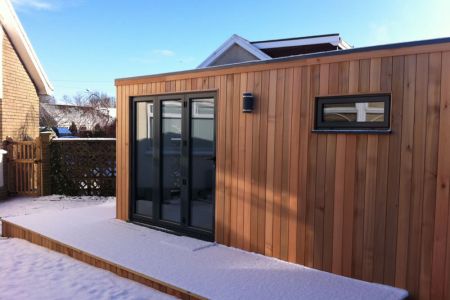
Insulated garden rooms have become one of the most sought-after home improvements in recent years, offering homeowners a practical, comfortable, and stylish way to extend their living space without the disruption of a traditional house extension.
Designed for year-round use, insulated garden rooms provide a warm, dry, and energy-efficient environment that can be enjoyed in every season.
Whether used as a home office, studio, gym, guest room, or relaxation space, an insulated garden room delivers the flexibility modern households need.
With rising energy costs, increased remote working, and a growing desire to make better use of outdoor space, insulated garden rooms represent a smart long-term investment for both lifestyle and property value.
This article explores what insulated garden rooms are, how they are constructed, why insulation matters, the benefits they provide, popular uses, design considerations, and why they have become an essential feature of contemporary outdoor living.
What Is an Insulated Garden Room?
An insulated garden room is a purpose-built outdoor structure constructed with high-performance insulation in the walls, roof, and floor. Unlike basic sheds or summerhouses, insulated garden rooms are designed to maintain a stable internal temperature, making them suitable for everyday use throughout the year.
These buildings are typically fitted with proper electrics, heating, lighting, and high-quality doors and windows. When professionally built, an insulated garden room functions much like a room inside the main house, but with the added benefit of privacy and a direct connection to the garden.
Insulated garden rooms can be either prefabricated or bespoke, depending on design requirements, budget, and site conditions. In both cases, insulation plays a crucial role in comfort, energy efficiency, and long-term durability.
Why Insulation Is Essential in Garden Rooms
Insulation is the defining feature that separates a true garden room from a simple outbuilding. Without adequate insulation, a garden structure can become unbearably cold in winter and uncomfortably hot in summer.
High-quality insulation helps regulate internal temperatures by reducing heat loss during colder months and limiting heat gain during warmer periods. This creates a comfortable, usable space regardless of external weather conditions.
In addition to thermal performance, insulation also improves soundproofing, moisture control, and overall energy efficiency. This is particularly important for garden rooms used as offices, studios, or accommodation spaces.
How Insulated Garden Rooms Are Constructed
The construction of an insulated garden room is carefully designed to maximise performance and longevity.
Insulated Walls
Walls are typically constructed using a timber or steel framework filled with high-performance insulation boards or mineral wool. Vapour barriers and breathable membranes are used to control moisture and prevent condensation.
Insulated Roof
The roof plays a major role in thermal performance. Insulated garden rooms often use warm roof systems with rigid insulation panels, ensuring heat is retained and condensation risks are minimised.
Insulated Floor
The floor is raised off the ground and insulated to prevent cold bridging and damp ingress. This helps maintain warmth and ensures the space feels comfortable underfoot.
High-Quality Windows and Doors
Double or triple-glazed windows and insulated doors are essential components. These reduce heat loss, improve security, and enhance overall comfort.
Benefits of Insulated Garden Rooms
There are many advantages to choosing an insulated garden room over a non-insulated structure.
Year-Round Usability
The primary benefit is the ability to use the space in all seasons. Whether it is freezing outside or the height of summer, an insulated garden room remains comfortable and functional.
Energy Efficiency
Good insulation reduces reliance on heating and cooling, helping to keep energy costs under control. This makes insulated garden rooms both economical and environmentally responsible.
Comfort and Wellbeing
A stable internal temperature, reduced draughts, and controlled humidity create a healthier indoor environment. This is particularly important for workspaces and wellness areas.
Noise Reduction
Insulated walls and glazing help reduce external noise, making insulated garden rooms ideal for offices, music studios, or therapy spaces.
Increased Property Value
A professionally built insulated garden room adds usable square footage to a property, increasing its appeal and potential market value.
Popular Uses for Insulated Garden Rooms
The versatility of insulated garden rooms makes them suitable for a wide range of uses.
Home Offices
With remote and hybrid working now common, insulated garden rooms provide a quiet, professional workspace separate from household distractions.
Garden Studios
Artists, musicians, and creatives benefit from consistent temperature, natural light, and sound insulation.
Home Gyms
An insulated garden room gym allows year-round fitness without the inconvenience of commercial gyms.
Guest Accommodation
Insulated garden rooms can be configured as comfortable guest rooms or annexes with heating and electrics.
Relaxation and Leisure Spaces
From reading rooms to home cinemas, insulated garden rooms create private spaces for rest and entertainment.
Design Considerations for Insulated Garden Rooms
Design plays a key role in how an insulated garden room performs and feels.
Orientation and Natural Light
Positioning the building to maximise natural light improves comfort and reduces energy use.
Heating and Cooling Options
Electric heaters, underfloor heating, or air conditioning can be added depending on usage.
Ventilation
Proper ventilation prevents condensation and ensures fresh air circulation.
Internal Finishes
Plasterboard, timber cladding, or composite finishes can be used to create a high-quality interior.
Insulated Garden Rooms and Planning Considerations
Many insulated garden rooms can be built under permitted development rules, depending on size, height, and placement. However, it is always advisable to check local regulations before construction.
Professional garden room suppliers design insulated buildings to comply with current planning guidelines, reducing the risk of future issues.
Sustainability and Environmental Benefits
Insulated garden rooms support sustainable living by reducing energy consumption and making efficient use of existing land.
Many are built using responsibly sourced materials and designed to last for decades, minimising environmental impact.
Long-Term Value of Insulated Garden Rooms
An insulated garden room is not just a short-term lifestyle upgrade. It is a long-term asset that can adapt as your needs change.
What begins as a home office may later become a gym, guest room, or studio, offering flexibility without further building work.
Conclusion
Insulated garden rooms provide a practical, comfortable, and energy-efficient way to extend your living space. Designed for year-round use, they offer versatility, privacy, and long-term value while enhancing the way you use your garden.
Whether for work, leisure, or accommodation, an insulated garden room delivers the comfort of an indoor space with the freedom of outdoor living. For homeowners seeking a future-proof investment that improves both lifestyle and property appeal, insulated garden rooms are an outstanding choice.