Garden Workshops | Practical, Creative Spaces for Home and Business
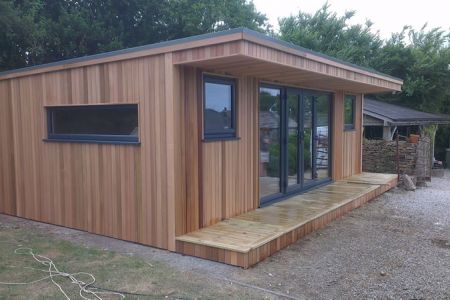
Garden workshops have become one of the most practical and rewarding additions to modern homes. As lifestyles evolve and more people embrace hands-on creativity, home-based businesses, and practical DIY skills, the appeal of having a dedicated workshop space in the garden continues to grow.
A garden workshop provides a purpose-built environment that allows homeowners to work, create, repair, and innovate without compromising living space inside the home.
Unlike traditional sheds or temporary outbuildings, a well-designed garden workshop is a fully usable, year-round structure. It offers insulation, security, and durability, making it suitable for everything from woodworking and metal fabrication to electronics, crafting, and professional trade work. For many homeowners, a garden workshop represents freedom, self-sufficiency, and a place where ideas can be turned into tangible results.
What Is a Garden Workshop?
A garden workshop is a standalone building located within the garden that is specifically designed to support practical, hands-on activities. It is constructed to a much higher standard than basic storage sheds, with solid floors, insulated walls, reliable power supply, and sufficient space to safely house tools, machinery, and materials.
Garden workshops can be tailored to suit a wide range of uses, from hobby-based spaces to fully functional professional workshops. Whether used for occasional DIY projects or daily commercial work, the key difference lies in the quality of construction and the attention given to layout, lighting, ventilation, and safety.
For homeowners who enjoy making, fixing, or building things, a garden workshop offers a dedicated environment where work can take place without disruption to the household. It becomes a space with a clear purpose, encouraging focus, organisation, and productivity.
The Benefits of a Garden Workshop
One of the most significant benefits of a garden workshop is convenience. Having a workshop just steps away from the house eliminates the need to rent external space, travel to shared facilities, or pack away tools after every session. This ease of access encourages more frequent use and makes it easier to tackle both small and large projects.
A garden workshop also allows for complete control over the working environment. Temperature, lighting, layout, and storage can all be designed to suit individual needs. This level of personalisation is rarely possible in shared or rented workshops, making a home workshop far more comfortable and efficient.
Privacy is another key advantage. Garden workshops provide a quiet, self-contained space where noise, dust, and mess are kept away from the main home. This is particularly beneficial for activities such as woodworking, metalworking, or mechanical repairs, which can be disruptive if carried out indoors.
From a lifestyle perspective, a garden workshop promotes independence and creativity. It allows homeowners to develop practical skills, pursue passions, and take on projects that might otherwise feel impractical. Over time, this can lead to greater confidence, satisfaction, and even new income opportunities.
Garden Workshops for Business and Professional Use
Beyond personal hobbies, garden workshops are increasingly being used for small businesses and professional trades. Craftspeople, makers, repair specialists, and designers often find that a garden workshop provides an ideal base for operating a business without the overheads of commercial premises.
For sole traders and small-scale entrepreneurs, a garden workshop offers flexibility and cost efficiency. It allows work to be carried out close to home while maintaining a clear separation between professional and personal life. This separation is particularly valuable for those who work with machinery, materials, or processes that require space and safety considerations.
Garden workshops used for business purposes can be fitted out to meet specific operational needs, including dedicated storage, specialist equipment zones, and enhanced electrical capacity. With careful planning, they can support a wide range of trades while remaining compliant with local regulations.
Types of Garden Workshops
Garden workshops can be adapted to suit almost any practical discipline. The design, layout, and equipment will vary depending on how the space is intended to be used, but the underlying principles remain the same: safety, efficiency, and comfort.
Woodworking workshops are among the most popular types. These spaces are designed to accommodate machinery such as table saws, planers, and routers, as well as hand tools and workbenches. Adequate dust extraction, strong work surfaces, and generous storage are essential features.
Metalworking workshops require robust construction and careful planning. Equipment such as welders, grinders, and drill presses demand stable flooring, good ventilation, and enhanced electrical supply. Safety features and clear working zones are critical in this type of environment.
Electronics workshops focus on precision and organisation. These spaces benefit from excellent lighting, static-safe surfaces, and organised storage for small components. A calm, clean environment is essential for assembling, testing, and repairing electronic equipment.
Craft and mixed-use workshops are often more flexible, accommodating activities such as model making, painting, or small-scale fabrication. These workshops benefit from adaptable layouts and modular storage solutions that can evolve as interests change.
Essential Equipment for a Garden Workshop
The equipment required in a garden workshop will depend largely on the type of work being carried out, but there are several essentials that apply to almost all workshop environments.
A solid workbench is the foundation of any workshop. It provides a stable surface for assembly, repair, and fabrication tasks. The height and size of the bench should be suited to the user to promote comfort and reduce strain during extended periods of work.
Storage is equally important. Well-organised storage solutions help keep tools accessible, reduce clutter, and improve safety. Wall-mounted racks, drawer units, and shelving systems allow for efficient use of space and make it easier to maintain an orderly environment.
Electrical infrastructure is another key consideration. Adequate power outlets, task lighting, and possibly three-phase power may be required depending on the equipment used. Planning electrical layouts early ensures the workshop remains flexible and safe as needs evolve.
Safety equipment should never be overlooked. Fire extinguishers, first aid kits, protective clothing, and appropriate ventilation systems are essential components of a responsible workshop setup.
Designing a Practical and Comfortable Workshop Layout
Good workshop design is about more than simply fitting tools into a space. The layout should support a logical workflow, minimise unnecessary movement, and reduce the risk of accidents.
Heavy machinery is typically positioned along walls or in designated zones, leaving clear pathways through the workshop. Workbenches are often placed near natural light sources to improve visibility and reduce eye strain.
Ventilation plays a critical role, particularly in workshops that generate dust, fumes, or heat. Opening windows, mechanical ventilation, or extraction systems help maintain air quality and create a more comfortable working environment.
Heating and insulation are also vital for year-round usability. A properly insulated garden workshop remains comfortable in colder months and avoids excessive heat build-up in summer, allowing work to continue regardless of the season.
The Satisfaction of Working in a Garden Workshop
There is a unique sense of satisfaction that comes from working with your hands and creating something tangible. A garden workshop provides the ideal setting for this experience, offering a space where focus and creativity can flourish.
DIY projects completed in a personal workshop often carry greater meaning than purchased items. Whether it is a piece of furniture, a repaired appliance, or a custom-made object, the process of creation brings a strong sense of achievement.
Over time, a garden workshop becomes more than just a workspace. It evolves into a personal retreat, a place of learning, experimentation, and self-expression. Many people find that time spent in their workshop provides mental clarity and stress relief, making it as beneficial emotionally as it is practically.
Long-Term Value of a Garden Workshop
Investing in a high-quality garden workshop can deliver long-term value in several ways. From a practical standpoint, it reduces reliance on external services by enabling homeowners to carry out repairs, maintenance, and creative projects independently.
From a financial perspective, a well-built garden workshop can add appeal and functionality to a property. Buyers increasingly value flexible outdoor buildings that can serve multiple purposes, making a garden workshop a desirable feature.
Perhaps most importantly, a garden workshop supports personal growth. It encourages skill development, problem-solving, and creativity, all of which contribute to a more fulfilling and self-reliant lifestyle.
Conclusion
A garden workshop offers an exceptional blend of practicality, independence, and creative freedom. Whether used for woodworking, metalworking, electronics, crafts, or small business activities, it provides a dedicated space where ideas can be transformed into reality.
The convenience of having a workshop at home, combined with the ability to customise the space to individual needs, makes garden workshops an increasingly popular choice for homeowners. With careful planning, quality construction, and thoughtful design, a garden workshop can become one of the most valuable and rewarding spaces on a property.
By investing in a purpose-built garden workshop, homeowners gain more than just extra space. They gain a place to learn, create, and achieve, enhancing both their property and their quality of life.